That hookup is done, bro, but now your brain is asking the one question you really did not want to Google. More than 1 million curable STIs are acquired worldwide every day, and plenty of them cause absolutely no symptoms. So, keep reading to understand how STI testing works.
In this article, we'll cover:
- The truth about why you can feel fine and still have an STI and why that matters.
- Exactly what happens at the clinic with no awkward surprises and what the whole thing actually costs.
- How to have the testing conversation without making it weird and the mistakes that instantly turn women off.
What Is STI Testing?
STI (Sexually Transmitted Infection) testing is a sexual health checkup that looks for infections passed through vaginal, oral, or anal sex. STI testing and STD (Sexually Transmitted Disease) testing generally refer to the same process. The term STI is now preferred because someone can carry an infection without developing noticeable symptoms or signs of disease.
Why Does STI Testing Matter?
You cannot judge someone’s STI status by looking at them, trusting them, or waiting for symptoms. That is the asymptomatic reality: your body does not always warn you. Testing is the only way to know for sure.
Why You Should Get STI Testing?
- Most STIs stay quiet: Asymptomatic infections are a thing man. You can feel perfectly fine and still pass one on.
- Early treatment saves you trouble: Ignore it, and you risk pain, fertility problems, and serious health problems.
- Testing protects your partner: Knowing your status stops you passing on a problem you did not know you had.
- Routine screening catches it early: The infection can be there long before your body gives you a clue.
- Treatment is often straightforward: Chlamydia, gonorrhea, and syphilis are usually treated with medication.
- Testing shuts down the panic: A real result beats lying awake and guessing.
Who Should Get Tested For STIs?
WHO estimates that more than 1 million curable STIs are acquired worldwide every day, and the majority occur without symptoms. Getting tested is how you stop guessing and protect the person you’re sleeping with from STDs.
- Everyone Ages 13 To 64: Get at least one HIV test, because HIV can stay hidden for years.
- Men & Women Younger Than 25: Get chlamydia and gonorrhea screening every year.
- Men & Women 25 And Older At Higher Risk: Not yet in a long-term partnership? Get tested regularly.
- People With New Or Multiple Partners: More partners means more chances of picking something up.
- People Having Condomless Sex: No condom means more exposure, so test regularly.
- People After A Condom Break: Test now, then again after the right window period.
- Gay, Bisexual, And Other Men Who Have Sex With Men: Test at least yearly, or every three to six months with multiple or anonymous partners.
- People Who Have Oral Or Anal Sex: Throat and rectal infections can hide where a urine test will not find them.
- Pregnant Women: Testing and safer sex during pregnancy protects both mom and baby from serious complications.
- Couples Starting Something New: Get tested together before dropping condoms.
- Anyone Exposed To An STI: A partner’s positive result means you need your own test, even without symptoms.
- People With Symptoms: Burning, discharge, sores, rashes, or painful sex mean stop guessing and get checked.
- People Who Share Needles: Shared equipment can spread HIV and hepatitis through blood.
- People Who Experienced Sexual Assault: Test early, then repeat after the window period.
- Adults In High-Syphilis Areas: Local outbreaks can make routine syphilis testing the smart move.
Getting tested is not an admission of guilt, it is an act of care for yourself and everyone whose trust you hold. But what exactly can STI testing find before an infection has the chance to change your life?
What Infections Can Be Tested During STI Testing?
Different STIs need different tests, brother, so here’s the list of STI tests and exactly how they’re done.
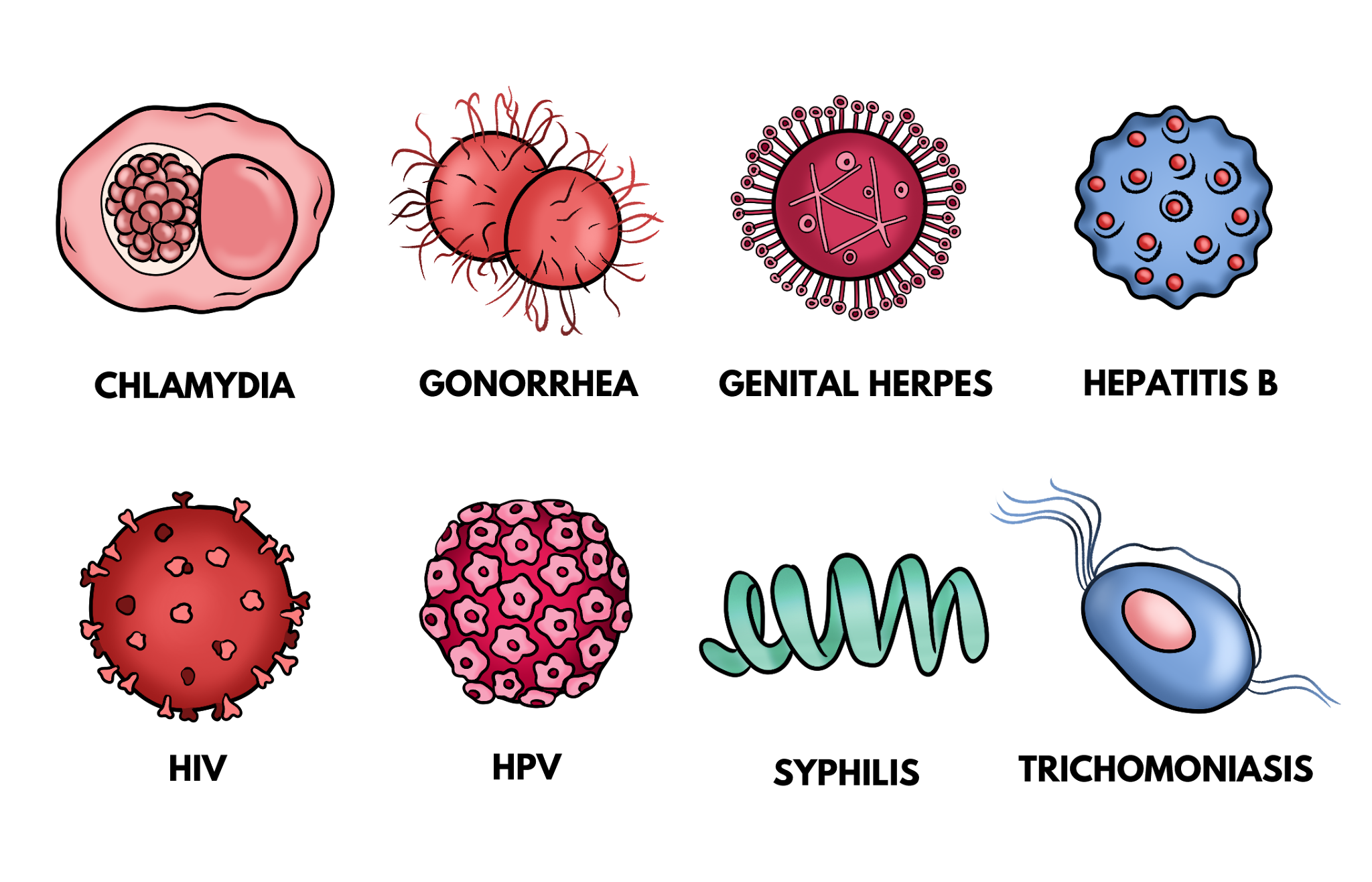
Test #1 - Chlamydia
Chlamydia is sneaky, man. Most men feel nothing and still pass it on.
How Chlamydia Gets Tested
- When To Get Tested: After condomless sex, a condom break, burning, discharge, or a partner saying, “I tested positive.”
- Where To Get Tested: Your doctor, sexual health clinic, testing center, or free STD clinic.
- Cost Of Testing: Around $0 to $250 at a clinic, or about $105 for a private chlamydia and gonorrhea test.
- Samples Collected: Urine, plus a throat or rectal swab if those areas were involved.
- What To Do After A Positive Result: Take every dose, tell recent partners, avoid sex until treatment is done, and get retested.
Test #2 - Gonorrhea
Gonorrhea can burn, leak, ache, or stay quiet. Feeling fine proves nothing.
How Gonorrhea Gets Tested
- When To Get Tested: Burning, discharge, pelvic or testicular pain, condomless sex, a broken condom, or a positive partner.
- Where To Get Tested: Your doctor, sexual health clinic, public clinic, or testing center. Just go.
- Cost Of Testing: Around $0 to $250, or about $105 for a private chlamydia and gonorrhea test.
- Samples Collected: Usually urine, plus swabs from anywhere else involved.
- What To Do After A Positive Result: Get treated, avoid sex for 7 days and until partners are treated, then retest in 3 months.
Test #3 - HIV (Human Immunodeficiency Virus)
HIV is serious, but dodging the HIV screening is the real risk.
- When To Get Tested: After fever, rash, swollen glands, flu-like symptoms, condomless sex, shared needles, or a positive partner.
- Where To Get Tested: A clinic, pharmacy, health department, mobile unit, or approved home test.
- Cost Of Testing: Often $0 publicly, or around $99 privately.
- Samples Collected: Blood, a finger prick, or oral fluid.
- What To Do After A Positive Result: Confirm it with a healthcare provider and follow their treatment plan.
Test #4 - Syphilis
Syphilis is a proper con artist. The sore disappears, but the infection does not.
- When To Get Tested: After a painless sore, strange rash, swollen glands, known exposure, or sex in a high-syphilis area.
- Where To Get Tested: A sexual health clinic, health department, testing center, or your regular doctor.
- Cost Of Testing: Around $0 to $250 at a clinic, or about $59 privately.
- Samples Collected: Usually blood, plus a swab if a sore is visible.
- What To Do After A Positive Result: See a healthcare provider, follow their treatment plan, avoid sex, and complete follow-up blood tests.
Test #5 - Herpes
Herpes leaves clues, bro, so test while the blister or sore is still there.
- When To Get Tested: During a fresh blister, ulcer, tingling patch, burning, or recurring sore.
- Where To Get Tested: A sexual health clinic, dermatologist, urgent care center, or your regular doctor.
- Cost Of Testing: Around $0 to $250 at a clinic, with private HSV blood tests often costing more.
- Samples Collected: Usually a swab from the sore, or sometimes blood when no outbreak is visible.
- What To Do After A Positive Result: See a healthcare provider, follow their plan, learn your outbreak signs, and tell partners before sex.
Test #6 - HPV (Human Papillomavirus)
HPV is everywhere, bro, but men do not get one simple test that says “all clear.”
- When To Get Tested: New genital or anal warts, bumps, bleeding, or strange skin changes.
- Where To Get Tested: A sexual health clinic, dermatologist, urologist, gynecologist, or regular health care provider.
- Cost Of Testing: Around $0 to $250 for an assessment, with biopsy or specialist fees costing more.
- Samples Collected: Usually a visual exam, with a small biopsy if something looks suspicious.
- What To Do After A Positive Result: See a healthcare provider, discuss wart treatment, cancer screening, vaccination, and STI prevention.
Test #7 - Trichomoniasis
Trich is a parasite that often stays quiet, which means you can pass it on without knowing.
How Trichomoniasis Gets Tested
- When To Get Tested: Itching, burning, irritation, discharge, or a partner’s positive result.
- Where To Get Tested: A sexual health clinic, testing center, regular doctor, or approved at-home testing company.
- Cost Of Testing: Around $0 to $250, or about $189 for a combined private panel.
- Samples Collected: Urine or a vaginal, urethral, or site-specific swab.
- What To Do After A Positive Result: See a provider, follow the prescribed plan, and make sure partners get treatment too.
Test #8 - Hepatitis B
Viral Hepatitis B attacks the liver and can spread through sex or blood, even when you feel completely fine.
How Hepatitis B Gets Tested
- When To Get Tested: Fatigue, nausea, dark urine, yellow skin or eyes, blood exposure, condomless sex, or an infected partner.
- Where To Get Tested: Your healthcare provider, sexual health clinic, public health clinic, or hepatitis testing center.
- Cost Of Testing: Around $0 to $250, while broader private panels can cost about $282.
- Samples Collected: Blood for a three-part panel checking infection, past exposure, and immunity.
- What To Do After A Positive Result: See a health care provider for liver checks and ask whether partners need testing or vaccination.
Test #9 - Hepatitis C
Hepatitis C can quietly damage your liver for years, so waiting for symptoms is a terrible plan.
How Hepatitis C Gets Tested
- When To Get Tested: Fatigue, nausea, dark urine, yellow skin, shared needles, or any unsafe blood exposure.
- Where To Get Tested: Your doctor, public health clinic, harm-reduction service, or hepatitis testing center.
- Cost Of Testing: Around $0 to $250, or roughly $149 to $282 in private panels.
- Samples Collected: Blood for an antibody test, followed by an HCV RNA test if reactive.
- What To Do After A Positive Result: See a provider, confirm active infection, and follow the prescribed treatment plan.
Test #10 - Mycoplasma Genitalium
Mgen is the stubborn STI most men discover only after the burning refuses to leave.
How Hepatitis C Gets Tested
- When To Get Tested: Ongoing burning, discharge, urethritis, or irritation after negative chlamydia and gonorrhea tests.
- Where To Get Tested: A specialist sexual health clinic or healthcare provider with molecular testing.
- Cost Of Testing: Around $125 to $155 for some visits, plus $15 to $70 or more for the lab.
- Samples Collected: First-catch urine or a vaginal, cervical, urethral, or rectal swab.
- What To Do After A Positive Result: Follow your provider’s exact plan because antibiotic resistance makes guesswork a bad idea.
Test #11 - Ureaplasma
Ureaplasma is tricky because healthy people can carry it, so a positive result does not automatically mean it caused your symptoms.
How Ureaplasma Gets Tested
- When To Get Tested: Persistent burning, discharge, or irritation after more common infections have been ruled out.
- Where To Get Tested: A sexual health specialist, urologist, gynecologist, or specialist lab offering confidential testing.
- Cost Of Testing: Around $125 to $155 for some visits, plus additional laboratory fees.
- Samples Collected: Urine or a vaginal, cervical, urethral, throat, or rectal swab.
- What To Do After A Positive Result: Ask your provider whether the result actually explains your symptoms before seeking treatment.
Test #12 - Lymphogranuloma Venereum
LGV is an aggressive form of chlamydia that can cause rectal pain, bleeding, ulcers, and swollen groin nodes.
- When To Get Tested: Rectal pain, bleeding, discharge, genital ulcers, or swollen lymph nodes after sex.
- Where To Get Tested: A specialist sexual health clinic, infectious-disease service, or public health department.
- Cost Of Testing: Around $0 to $250 initially, with specialist confirmation costing more.
- Samples Collected: Rectal swab, ulcer swab, lymph-node sample, or another sample from the affected area.
- What To Do After A Positive Result: Follow the prescribed longer treatment course, avoid sex, and ensure partners get care.
Test #13 - Donovanosis
Donovanosis is rare, but slow-growing genital ulcers that bleed easily are not something to ignore.
How Donovanosis Gets Tested
- When To Get Tested: A spreading, painless, or easily bleeding genital ulcer, especially after travel.
- Where To Get Tested: A sexual health specialist, dermatologist, infectious-disease clinic, or public health service.
- Cost Of Testing: Around $125 to $250 or more once microscopy, lab work, or biopsy is included.
- Samples Collected: An ulcer scrape, tissue sample, or biopsy.
- What To Do After A Positive Result: See a provider, follow the prescribed treatment, and stay in care until every lesion has healed.
Test #14 - Molluscum Contagiosum
Molluscum causes small smooth bumps, and shaving over them is basically helping them spread.
How Molluscum Contagiosum Gets Tested
- When To Get Tested: Bumps that multiply, cluster, become irritated, or look like herpes or genital warts.
- Where To Get Tested: A dermatologist, sexual health clinic, primary-care clinic, or regular health care provider.
- Cost Of Testing: Around $0 to $250, with freezing or removal costing extra.
- Samples Collected: Usually none, although a confusing bump may be scraped or biopsied.
- What To Do After A Positive Result: Discuss removal or watchful waiting, stop shaving the area, and cover the bumps.
Test #15 - Chancroid
Chancroid causes painful open sores, so when something down there looks angry and hurts, get it checked.
How Chancroid Gets Tested
- When To Get Tested: Painful genital ulcers, especially after travel or negative herpes and syphilis tests.
- Where To Get Tested: A specialist sexual health clinic, infectious-disease service, or public health department.
- Cost Of Testing: Around $125 to $250 or more once ulcer testing and other STI tests are included.
- Samples Collected: An ulcer swab and blood tests to rule out other infections.
- What To Do After A Positive Result: See a provider, follow the prescribed treatment, avoid sex until healed, and send partners for testing.
That is why an open and honest conversation about your sexual history matters. No single test kit checks for every sexually transmitted disease, and the right sample depends on what happened, where contact occurred, and how long ago it happened.
So, what actually happens once you walk into the clinic and admit your weekend had a plot twist?
How Does STI Testing Work?
STI testing is easier than assembling IKEA furniture, brother, and the few minutes it takes beat worrying every time you have sex. Here’s how it works:
Step #1 - Have The Initial Conversation
First, your healthcare provider needs the honest version of what happened. They need accurate information so they can follow the right STI screening guidelines and give you the right diagnosis and treatment.
- When did you last have sex?
- Was it vaginal, oral, or anal?
- Did you use a condom?
- Have you noticed discharge, sores, burning, rashes, or pain?
- Have you had new, multiple, or anonymous partners?
- Has a partner recently tested positive?
Step #2 - Give The Samples
There is no single magic test for every STI, so the samples depend on what you are testing for and where sexual contact happened.
Your Provider May Collect
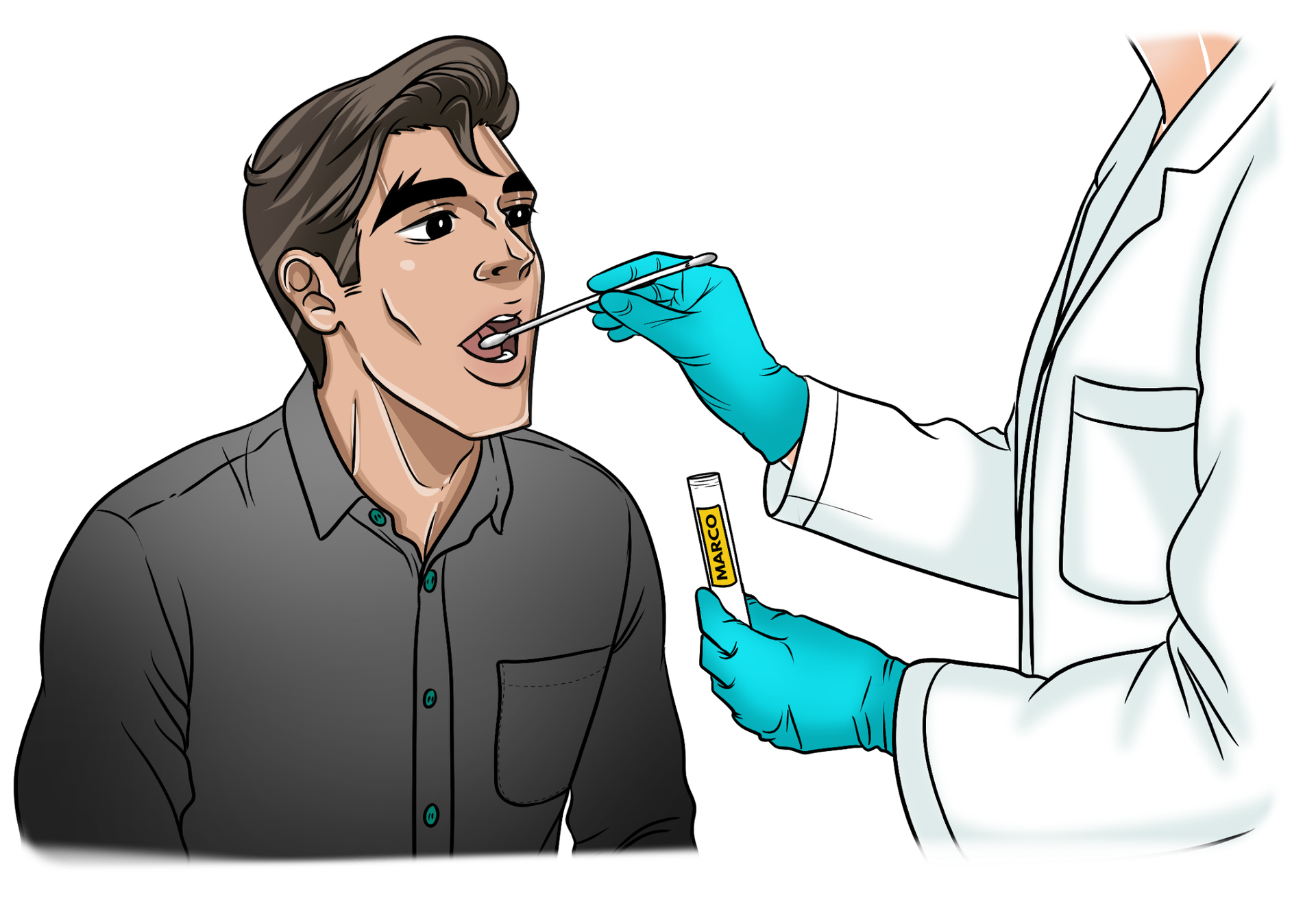
- A Urine Sample: You pee into a sterile cup for gonorrhea and chlamydia testing, which is about as dramatic as using a public restroom.
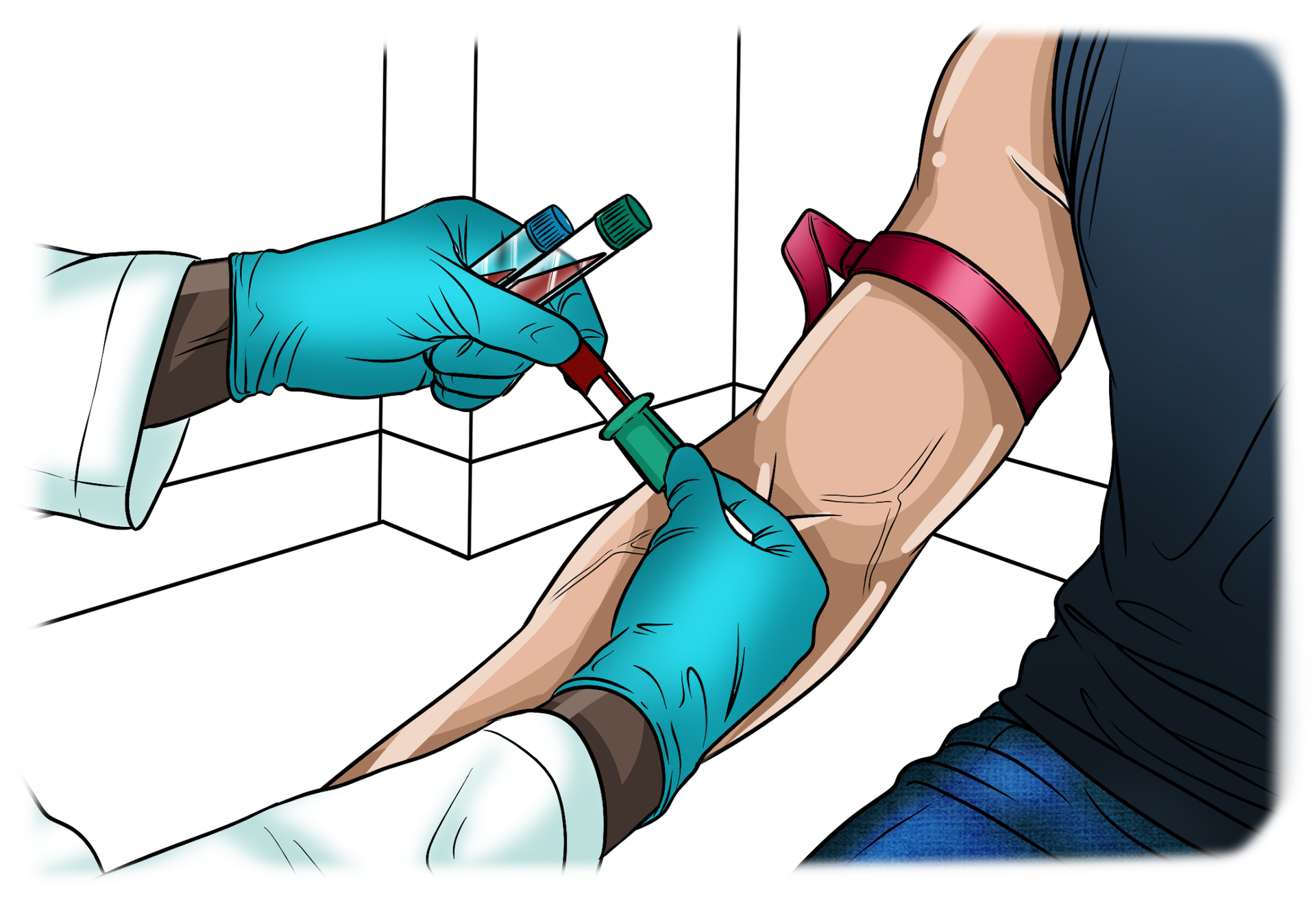
- A Blood Sample: They take blood from your arm or use a finger prick when you are being tested for HIV, syphilis, or hepatitis.
- A Genital Swab: A soft swab collects cells from the vagina, cervix, urethra, or penis.
- A Throat Swab: This checks for infections after oral sex because, yes, STIs can live in your throat without announcing themselves.
- A Rectal Swab: This checks for infections after anal sex, and many clinics let you collect the sample yourself in private.
- A Sore Or Blister Swab: A clinician swabs a visible lesion when herpes, syphilis, or another ulcer-causing infection is suspected.
- A Physical Exam: The provider may check for warts, sores, rashes, bumps, or other visible signs.
Optional - Use An At-Home STI Test
Do not fancy walking into a clinic? Fair enough. At-home testing options are available, but choose an authorized test instead of trusting the first shiny box Instagram throws at you.
Depending On The STI Self-test, You May
- Order a test kit online or buy one from a pharmacy.
- Collect urine, a vaginal swab, oral fluid, or finger-prick blood.
- Mail the sample to a laboratory.
- Receive results through a secure website, app, or phone consultation.
- Use a fully at-home rapid test that gives the result without mailing anything.
Step #3 - Get Your Results & Treatment
Once the samples are collected, they go to a laboratory, unless you took a rapid test that produces results during the visit.
- Rapid Results: Some HIV tests return results in 30 minutes or less.
- Laboratory Results: Many urine, blood, and swab tests take several days, although timing varies by clinic and laboratory.
- Negative Results: A negative result is reassuring only when you tested after the infection’s window period.
- Positive Results: Your provider explains the diagnosis, treatment, partner notification, and whether you need another test later.
- Unclear Results: Some reactive screening tests need confirmation before a final diagnosis is made.
Step #4 - Additional Report When A Result Is Positive
Your STI test and results are confidential under health-privacy rules. However, certain infections must be reported to public health authorities so the Centers for Disease Control and Prevention and local health departments can track outbreaks. That does not mean your private result gets posted on the village noticeboard.
Step #5 - Retest When You’re Told
A negative result can be too early, and a treated STI can come straight back, so retesting is how you make sure the infection is actually gone or was not missed during the window period.
- You Tested Too Early: Retest after the window period.
- You Had Chlamydia Or Gonorrhea: Retest in about 3 months.
- You Are Pregnant: Repeat testing may be needed later in pregnancy.
- You Have Ongoing Risk: Test every 3 to 6 months.
- Your Symptoms Continue: Go back and get checked again.
- Your Partner Was Not Treated: Both of you need testing and treatment.
Dude, the test itself is easy. The only hard part is dropping the ego long enough to tell the truth. So, how do you bring up STI testing with your partner without sounding scared, suspicious, or controlling?
Andrew’s Expert Tips On Leading The STI Testing Conversation Like A Man
STI testing should feel like teamwork, not an interrogation, so here’s how to lead the conversation without making her feel judged, blamed, or cornered.
Tip #1 - Bring It Up Before Clothes Start Coming Off
Man, do not wait until you are both half-naked to suddenly ask when she was last tested. Bring it up when you are calm, clear-headed, and actually able to listen.
I really like where this is going, and I want us both to feel safe. When were you last tested?
Tip #2 - Make It About Both Of You
It is not you versus her. It is both of you versus uncertainty. Do not sit there asking her to prove she is safe while acting like your sexual history arrived wrapped in plastic.
I’ll get tested too. Let’s both know where we stand.
Tip #3 - Stop Asking Whether She Is “Clean”
Bro, retire that word immediately. Calling someone “clean” or “dirty” turns sexual health into shame, and shame is exactly what stops people from being honest.
Ask Useful Questions Instead
- When were you last tested?
- What were you tested for?
- Have you had any new partners since then?
- Were you tested for gonorrhea and chlamydia?
- Were you tested for HIV or syphilis?
- Did the test cover every body area that was exposed?
Tip #4 - Do Not Punish Her For Telling You The Truth
If she tells you she had chlamydia, herpes, HPV, or another infection, your job is to stay steady. Do not pull a face. Do not shame her. Do not turn her honesty into ammunition for the next argument.
Tip #5 - Handle A Positive Result As A Team
A positive test is not automatically proof of cheating. If she tests positive, help her get care. If you test positive, own it properly. That means no hiding, no disappearing, and no pretending the message somehow failed to send.
- Results and treatment
- Whether both partners need medication
- When it is safe to have sex again
- Whether either of you needs to be tested more frequently
- Whether previous partners need to be informed
- Whether retesting is needed
Tip #6 - Make Testing A Relationship Standard
A strong relationship does not wait for panic before discussing sexual health.
- Before stopping condom use
- At the start of a new relationship
- After a condom break
- After time apart
- Before opening the relationship
- When either partner has symptoms
- When either partner has had a new exposure.
Tip #7 - Help Remove The Practical Excuses
Sometimes the real problem is not fear. It is money, privacy, or not knowing where to go. Help solve that.
- Clinics that provide confidential STD testing and treatment
- Testing centers that offer free or low-cost testing
- Public health clinics with free and low-cost services
- At-home testing where appropriate
- The CDC Get Tested website for testing near you
- Clinics that offer testing and vaccines
A man who leads does not control her sexual health. He creates enough safety, honesty, and responsibility for both of you to face it together. So, what do women wish men would stop getting completely wrong about STI testing?
A Woman's Perspective..
On The Biggest STI Testing Mistakes Men Believe
Men usually get STI testing wrong because they trust symptoms, condoms, or someone else’s result more than their own test, so here’s what women need you to understand.
Mistake #1 - “I’m In A Monogamous Relationship, So I Don’t Need STI Testing”
Being committed does not erase either person’s sexual history, and love does not magically cancel an infection that was already there.
Women and men should still discuss sexual history and STI testing, and everyone should be tested for HIV at least once unless both partners have been tested and have had no new exposure.
Mistake #2 - “Condoms Protect Me 100%”
Condoms are smart, necessary, and effective, but gentlemen, they are not an invisible force field around every inch of your body.
Condoms greatly reduce the risk of HIV, chlamydia, and gonorrhea, but skin-to-skin infections such as herpes and syphilis can still spread from uncovered areas.
Mistake #3 - “STD Tests Are Painful Or Embarrassing”
Most testing is far less dramatic than the story you have created in your head, and healthcare providers have seen all of this before.
Routine testing usually involves a urine sample, a gentle swab, or having a provider take a blood sample for HIV, hepatitis, or when you are tested for syphilis.
Mistake #4 - “I Was Tested Last Month, So I Can Skip It Now”
Your last test only covered what happened before it, not the new partner, condom break, or random night that came after.
Testing recommendations depend on your risk, with some people testing at least once a year and those with multiple sex partners or anonymous partners needing frequent HIV testing every three to six months.
Mistake #5 - “My Partner Tested Negative, So I Don’t Need To”
Her result is hers, not yours, and a negative test taken too early can still miss a new infection.
Your safest answer comes from your own test result because timing, window periods, and different sexual exposures affect whether someone was tested for most STIs accurately.
Mistake #6 - “Treating One STI Protects Me From The Others”
Clearing chlamydia does not give you superhero immunity against herpes, HIV, syphilis, or anything else.
Every STI is a separate infection, so gonorrhea and chlamydia screening says nothing about HIV, herpes, hepatitis, or syphilis unless those specific tests were also done.
Mistake #7 - “Only Women Need Routine Testing”
This one frustrates women because men often treat testing like something women should manage while they sit back and hope for the best.
Sexually active women under 25 should be tested for gonorrhea and chlamydia every year, while women 25 years and older need testing when risk is higher, but men also need testing based on symptoms, partners, exposure, and sexual behavior.
Mistake #8 - “Pregnancy Testing Covers STIs Too”
A pregnancy test tells you whether she is pregnant, not whether either of you has an infection that can affect her or the baby.
Pregnant women should be tested for HIV, syphilis, hepatitis B, and hepatitis C starting early in pregnancy because untreated infections can cause serious health issues.
A woman does not need you to act fearless about STI testing. She needs you to be honest enough to protect your health, her health, and the relationship you say matters to you.
Still got questions? Good, let’s stop Google from giving you a panic attack.
Frequently Asked Questions
Right, let’s answer the questions men usually ask after the clinic closes and the overthinking starts.
How soon after sex should I get tested for STIs?
It depends on the infection and test because each has a different window period; for example, HIV can take roughly 10 to 90 days to become detectable.
Can I get an STI test without showing ID or giving my real name?
Some clinics offer anonymous HIV testing, but most STI testing is confidential rather than fully anonymous, so call first and ask what ID they require.
Is STD testing covered by insurance?
Most insurance plans cover STD testing, but your share depends on the test, provider, and plan, so check the cost of your visit before booking.
Is STI screening different from STI testing?
Screening means testing when you have no symptoms; diagnostic testing happens after symptoms or known exposure, but both use the same types of samples.
Is STI testing confidential?
Yes, clinics generally keep your results private, but insurance may send an Explanation of Benefits to the policyholder, so ask about self-pay or confidential communication first.
Should people with anonymous partners get tested more often?
Yes. People with anonymous partners should be tested more frequently, often every three to six months, because repeated exposure raises the chance of infection.
Ready to take your skills to the next level? Join our exclusive online course “Squirting Triggers” and gain in-depth knowledge with expert guidance, easy-to-follow step-by-step explanations, live demonstrations, and two female perspectives. Don’t just read about it – master it! Enroll today and start transforming your life. Get started Now!