Painful sex, two words no man ever wants to hear in the bedroom. In fact, nearly 3 in 4 women will experience painful sex at some point in their lives. Think about it: you assume she's loving every minute, but she might be enduring pain just to make you happy. That's the reality for millions of women. Keep reading, because we’re about to break down why sex can hurt and how to fix it so both of you can get back to the good stuff.
In this article, we'll cover:
- Why painful sex happens and what you can do to fix it tonight
- The best sex positions that keep things hot without hurting her
- How to talk about painful sex like a pro so you stay connected instead of awkward
The Causes Of Painful Sex & What You Can Do About It
Let’s start with the basics: why is sex hurting her in the first place?
Pain during intercourse (the medical term is dyspareunia) is persistent or recurrent pain during sexual intercourse.
The pain can strike in different places:
- At the vaginal opening (sharp, burning sensations during entry)
- Deeper inside the pelvis (cramping, aching during thrusting)
- Or both. It can happen before, during, or after sex.
Some women feel pain in their entire sexual lives; others develop it suddenly. The key is that painful sex is not normal, and in most cases, it's fixable once you identify the root cause.
Speaking of solutions, let’s break down the most common culprits behind painful sex, and what you, as her partner, can do to help with each one.
Cause #1 – Dryness
Dryness is basically her vagina saying, “Babe, slow down.”
Stress, low arousal, or hormone shifts shut off her natural wetness, and without that glide, every thrust feels like rubbing a sunburn.
- Check her iron. Low iron thins out vaginal tissue and kills lubrication, even when she's turned on. If she's always freezing or exhausted, that's your smoking gun.
- Vitamin E oil on the clit 10 minutes before. Just a drop. Boosts blood flow and triggers her own wetness, so you don't need a gallon of lube to fix things.
- Try hyaluronic acid suppositories. They help rebuild natural moisture from within, unlike lubricants. However, the key is to use them as part of a long-term plan: consult your doctor to determine the right regimen instead of relying on a set-it-and-forget-it approach.
Cause #2 – Tight Muscles
If her pelvic floor muscles are tight, whether from anxiety, stress, or just the way she holds her body, that can trigger involuntary spasms that make penetration painful.
- Thigh presses before entry. She squeezes her knees together, and you gently push them apart. She resists for 10 seconds, then releases. Tricks her pelvic floor into relaxing on command.
- Two fingers, no movement. Rest them at the opening for a full minute. Let her breathe. Patience does more than thrusting ever will.
- Press on her lower belly. When you're inside, push firmly just above her pubic bone. Changes the angle, gives her muscles something to push against, and stops the clenching.
Cause #3 – Skin Issues
If her skin is irritated or she has skin disorders, even a gentle touch can burn. Vaginal irritation, vulvodynia, or raw spots around the vaginal opening turn sexual pain into a full shutdown fast.
- Cold organic coconut oil as lube. Not the fancy stuff. Plain coconut oil soothes irritation on contact and creates a protective barrier most store-bought lubes can't touch.
- Rinse right after, not just wipe. Have her hop in the shower or use a peri bottle with cool water post-sex. No soap. Just water. Gets everything off without scrubbing raw skin.
- Ice cube trick before. Run a clean ice cube lightly over her outer lips for 30 seconds. Numbs things just enough that the entry doesn't sting, then she warms up naturally.
Cause #4 – Allergies
Her body might hate the stuff you’re using, latex condoms, fancy lubes, even semen reactions. One allergic flare, and the pelvic region feels roasted.
- Unlubricated condoms + your own organic coconut oil. Most condoms have irritants in the pre-applied lube. Start bare, add your own clean oil. Total control over what touches her.
- Rinse off before oral or foreplay. If it's a semen reaction, she's not allergic to you, she's allergic to your diet. Coffee, asparagus, and even spicy food can change semen. Quick rinse lets you keep going without the burn.
- Antihistamine 30 minutes before. Not sexy but genius. A simple Zyrtec blocks the allergic response so you can actually figure out if it's the condom, the lube, or you.
Cause #5 – Infections
Vaginal infections, sexually transmitted infections, or urinary tract inflammation make intercourse feel like scraping an open wound. Pelvic Inflammatory Disease (PID) hits even harder, with deep sexual pain and recurring pain being common.
- Cranberry isn't enough; try D-Mannose powder. Mix it in water after sex. Flushes E. coli from the bladder before it digs in. She'll know within 24 hours if it's working.
- Garlic for two. If it's yeast or BV, you're passing it back and forth. She treats, you take oral garlic capsules for a week. Kills what's hiding in you so she doesn't reinfect herself.
- Keep it clean and simple. Have her stick to breathable cotton underwear and gentle, fragrance-free hygiene. Sometimes the simplest changes give her body the best chance to stay balanced.
Cause #6 – Period Problems
Endometriosis, uterine fibroids, ovarian cysts, all the deep pelvic region trouble, make sex painful because you’re bumping inflamed tissue and even the fallopian tubes. This is classic dyspareunia diagnosed during cycle flares.
- External only during her flare week. No penetration, just outercourse. She still orgasms, you still connect, and her insides get a full week to calm down.
- Thrust with her cycle. Two weeks before her period, stay shallow. That's when endo tissue swells, and cysts get touchy. Mark your calendar, adjust your depth. Simple awareness changes everything.
- Warm compress before sex. A heating pad or warm bath relaxes the pelvic muscles and increases blood flow, so her body is less guarded when you're together.
Cause #7 – Bladder Issues
If her bladder’s irritated (UTIs, interstitial cystitis), even soft thrusting feels like pushing a bruise.
- Side-lying positions only. Spooning, side-by-side, lazy dog. Anything where she's on her side keeps things shallow and angles away from that tender bladder spot behind the wall.
- Pee twice before sex. Once an hour before, once right before. Takes pressure off the bladder so it's not sitting in the strike zone when you're inside.
- Empty her bladder right after sex. That flushes everything out before bacteria can settle in. Follow with an ice pack on her lower belly for ten minutes to knock down any lingering inflammation before it turns into a full flare.
Cause #8 – Birth Recovery
After childbirth, everything from vaginal dryness to genitourinary syndrome shows up thanks to low estrogen.
- The "clock stretch." Both thumbs at her opening, press down toward the bed for 90 seconds. Then slowly move around the clock face, holding each spot. Rewires her brain so that scar tissue stops screaming during entry.
- Pillow between her knees for side-lying. Keeps her top leg from dropping too low and pulling on tender spots. Removes the unconscious bracing she doesn't even know she's doing.
- Breastfeeding timing trick. If she's nursing, schedule sex right after a feeding or pumping session. Prolactin drops, natural lubrication temporarily improves, and her body isn't in full "nourish mode" where estrogen is suppressed. Small window, use it.
Cause #9 – Devices & Treatments
IUDs, pelvic surgeries, cancer treatments, and female circumcision scars all change how her pelvic floor muscles tend to move and create sexual pain during penetration.
- You map her scars. Before sex, clean fingers, ask her to guide you inside. Slowly feel for spots that feel different, ropey, tight, bumpy. Just rest there. Your patience tells her body those spots are safe now. No stretching, no fixing. Just presence.
- The glass vaginal dilator secret. Not plastic, glass. You can warm it under hot water or cool it for numbing. She controls it, you guide it.
- The string curl. If you're getting stabbed mid-thrust, it's not the IUD, it's the strings. They soften with heat but sometimes stay barbed. Tell her to ask her gyno to curl them around her cervix. Five seconds, problem gone.
Cause #10 – Nerve Pain
Nerve issues like vulvodynia and pudendal neuralgia send burning signals even when everything looks normal. Chronic pain makes her body expect pain before sex even starts.
- Stop before she does. Watch her face, not her words. The second you see her brace, that tiny flinch, pull back completely. Let her reset for a minute. If you always stop before pain peaks, her body stops expecting it every single time.
- The towel barrier. Place a thin, soft cloth between you during manual play. Takes the edge off direct stimulation so her brain stops screaming "danger" long enough to realize touch actually feels okay.
- Counterpressure on her hips. When she's on her back, press firmly inward on both hip bones. That deep pressure distracts her nervous system from the burning signals downstairs. Pain quiets when something else shouts louder.
Cause #11 – Bowel & Body Stress
IBS, constipation, hip pain, back issues, pelvic organ prolapse, all of it turns sex painful because internal pressure hits the wrong zones.
- The poop check. Sounds dumb, but hear me out. If she's constipated or gassy, that full bowel is sitting right behind her vagina. Every thrust pounds it. Ask her before things start. Sometimes the sexiest move is waiting an hour.
- Hip circles on her back. Before penetration, have her lie down, knees bent. You hold her knees and gently circle both legs together clockwise, then counter. Resets her hip alignment so things line up the way they should instead of mashing sideways.
- Pillow under the right spot. Not just under her hips, under the side she favors. If she's got back or hip pain, she's unconsciously twisting to protect it.
Cause #12 – Medications & Hormones
Hormonal changes from menopause, breastfeeding, or birth control drop her estrogen and trigger vaginal dryness. SSRIs, antihistamines, and other meds can affect sexual desire and lubrication, too.
- Check the pill start date. If pain began around when she started new birth control, that's your smoking gun. Synthetic hormones thin vaginal tissue.
- Time antihistamines around sex. If she takes them daily for allergies, have her check the timing. Six hours after a dose is the driest window. Right before a dose is the wettest. Small shift, massive difference.
- Test her estrogen on day 21. If she's on birth control, day 21 of her cycle is when synthetic hormones peak and natural estrogen bottoms out. Mark your calendar, that's when lube isn't optional, it's mandatory. Work with her chemistry, not against it.
Cause #13 – Too Much Thrusting
Rough sex, long sessions, or friction-heavy thrusting moves turn a fun night into vaginal irritation and recurring pain. No woman enjoys the jackhammer when her pelvic floor says, “bro, chill.”
- The 2:1 ratio. Two shallow thrusts, one deep thrust. Repeat. Gives her walls a break between deep ones, so friction doesn't build up and turn into micro-tears.
- Lube reapplied without stopping. Not before, during. Pull back, slick up again, keep going. Most guys lube once and think they're done. The 1% know friction builds after 10 minutes and reapply without making it weird.
- Change angle before she changes expression. Same spot too long irritates. Shift your hips slightly every few minutes. Tiny adjustment redistributes pressure so one area doesn't take all the abuse.
Cause #14 – Mind-Body Link
Stress, relationship problems, psychological issues, or trauma make the pelvic floor clamp up fast. Her brain expects sexual pain, so her body delivers it.
- The "no sex" sex night. Tell her straight up: penetration's off the table. Nothing expected, nothing entering. Just touch, skin, connection. Takes the pressure off her nervous system. Most times she'll end up wanting it once her brain realizes it's safe.
- Breathe together before anything happens. Not deep breaths. Match your breathing, in and out, same rhythm, two minutes. Syncing breath syncs nervous systems. When you're calm, she calms. When she calms, her body opens.
- Let her turn the lights on. Women who've had trauma or pain often prefer the dark because they don't want to see your face if they flinch. Flip that. Leave them on. She sees you're present, not pushy. Safety lives in seeing, not hiding.
Cause #15 – Penis Size & Position
If you’re bigger or hitting the wrong angle, certain sexual positions slam her cervix and cause deep sexual pain. It’s not your size. It’s the angle.
- The "cervix sits lower" calendar. Two weeks before her period, her cervix drops. Same size, less space. Mark it. That week, shallow positions only. Work with her cycle, not against it.
- Her legs control your depth. In missionary, have her keep her knees closer together. Limits how far you can go naturally. She sets the limit; you don't have to guess.
- Grind, don't thrust. Once you're in, make small circular movements instead of in-and-out. Hits her spots, spares her cervix, and drives her crazier than pounding ever will.
Phew, that was a lot, right? But sex shouldn’t consistently hurt. What I want you to remember is that you and your partner are a team in this. It’s not “her problem” or “your problem”, it’s a puzzle you two can solve together. And when you do, you’ll likely find your intimacy grows even stronger (going through challenges together has a way of doing that).
Now that you know the why and what to do about painful sex, how about we get proactive with positions that can help?
Sex Positions To Make Painful Sex More Comfortable
Another piece of the puzzle is positioning. And hey, just because we’re focusing on “comfortable” doesn’t mean “boring.” You’d be surprised how sexy and satisfying these pain-free positions can be for both of you.
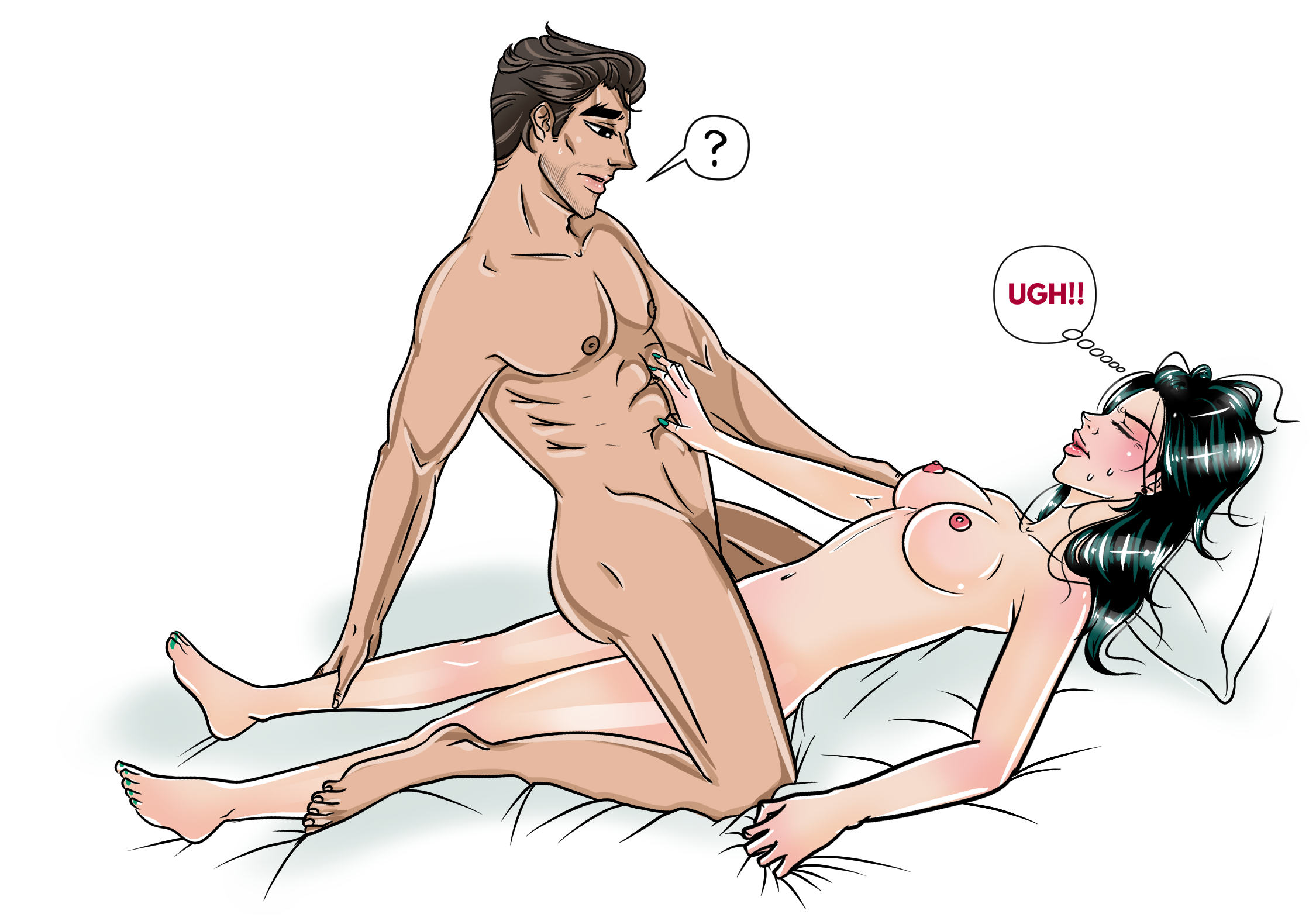
Position #1 – Cowgirl (Woman On Top) & Variations
Cowgirl and women on top sex positions puts her in control of depth and angle so she can avoid pain the second she feels it.
- Lie back, hands on her hips, and let her lower herself down at her own pace. Zero guidance from you.
- Hold her still when she's at a good depth and let her grind in circles. No bouncing, no thrusting up.
- Whisper "try leaning forward" or tap her hip to switch to Reverse if you feel her wince. She leads, you follow.
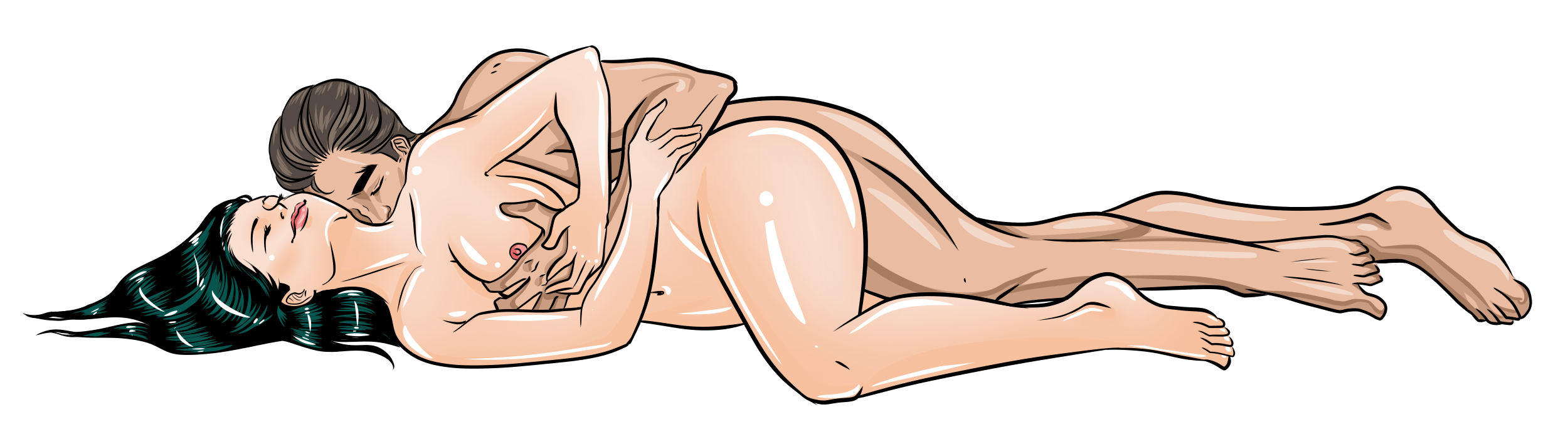
Position #2 – Spooning (Side-Lying)
Spooning keeps penetration shallow and angles away from her bladder and cervix.
- Lie behind her, match your chest to her back. Enter slow, keep her thighs together so you can't go too deep.
- Rock your hips in small circles. No pulling in and out. Just grind.
- Lift or lower her top leg an inch if she winces. Tiny move, huge difference.
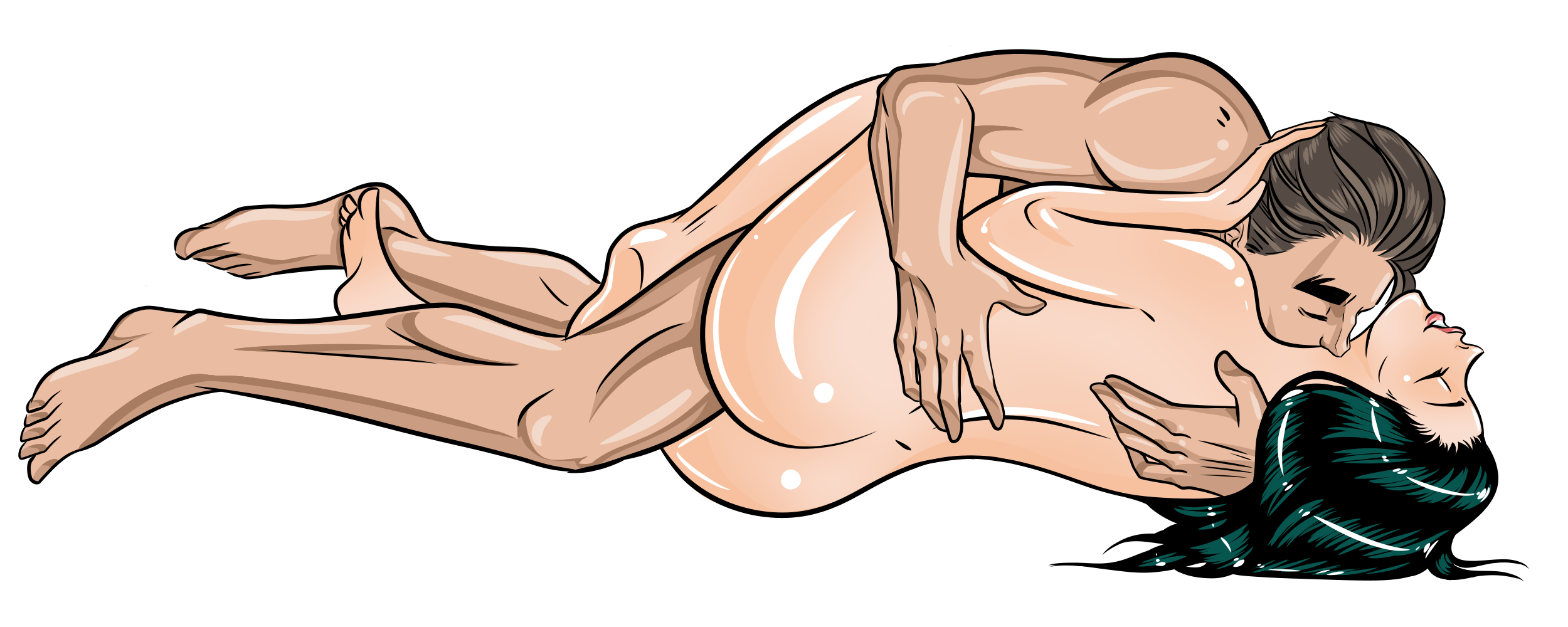
Position #3 – Side-By-Side (Face-To-Face)
Side-by-side lets you see her face the whole time, so you catch discomfort before she has to say a word.
- Lie facing her, guide yourself in slow. Let her set the pace with her hips.
- She hooks one leg over your hip. Controls depth without stretching or straining.
- Grind slow and shallow. No deep strokes. Just rock together until she pushes you deeper.
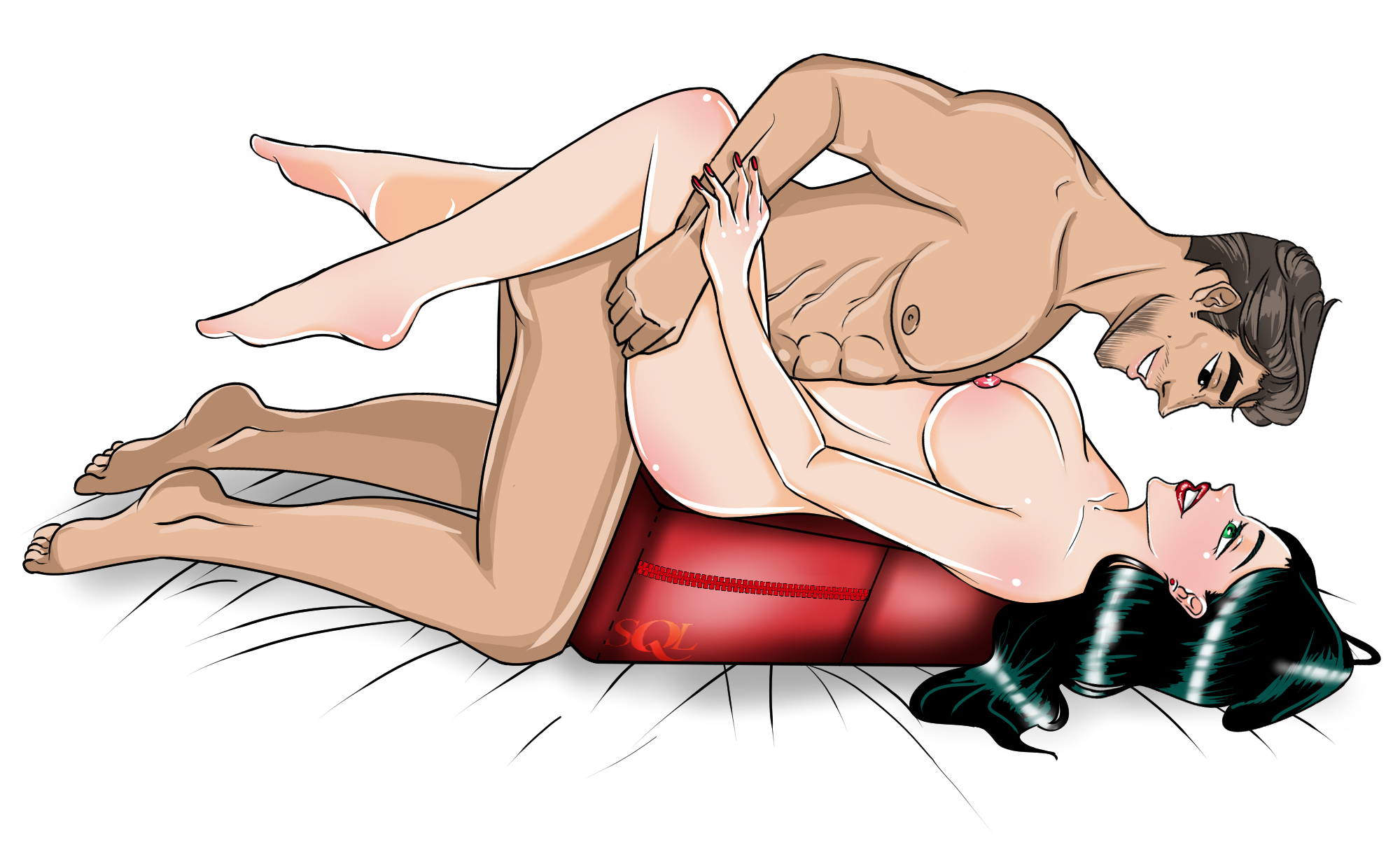
Position #4 – Missionary With A Pillow Or Wedge
Missionary with a pillow tilts her hips so you stop slamming her cervix and start hitting spots that actually feel good.
- Slide a pillow under her hips before you enter. Changes the whole angle.
- Go shallow first. Ask "there?" before you go deeper.
- Keep her legs together if she needs less depth. Same position, half the penetration.
Position #5 – Edge-Of-Bed Plank
Edge-of-bed plank lets you see exactly how deep you're going, so you don't accidentally bury it too far.
- She lies on her back, butt right at the edge. You stand or kneel.
- Hold her thighs like handlebars. You control depth, she controls speed.
- Short strokes only. You're not trying to set a record.
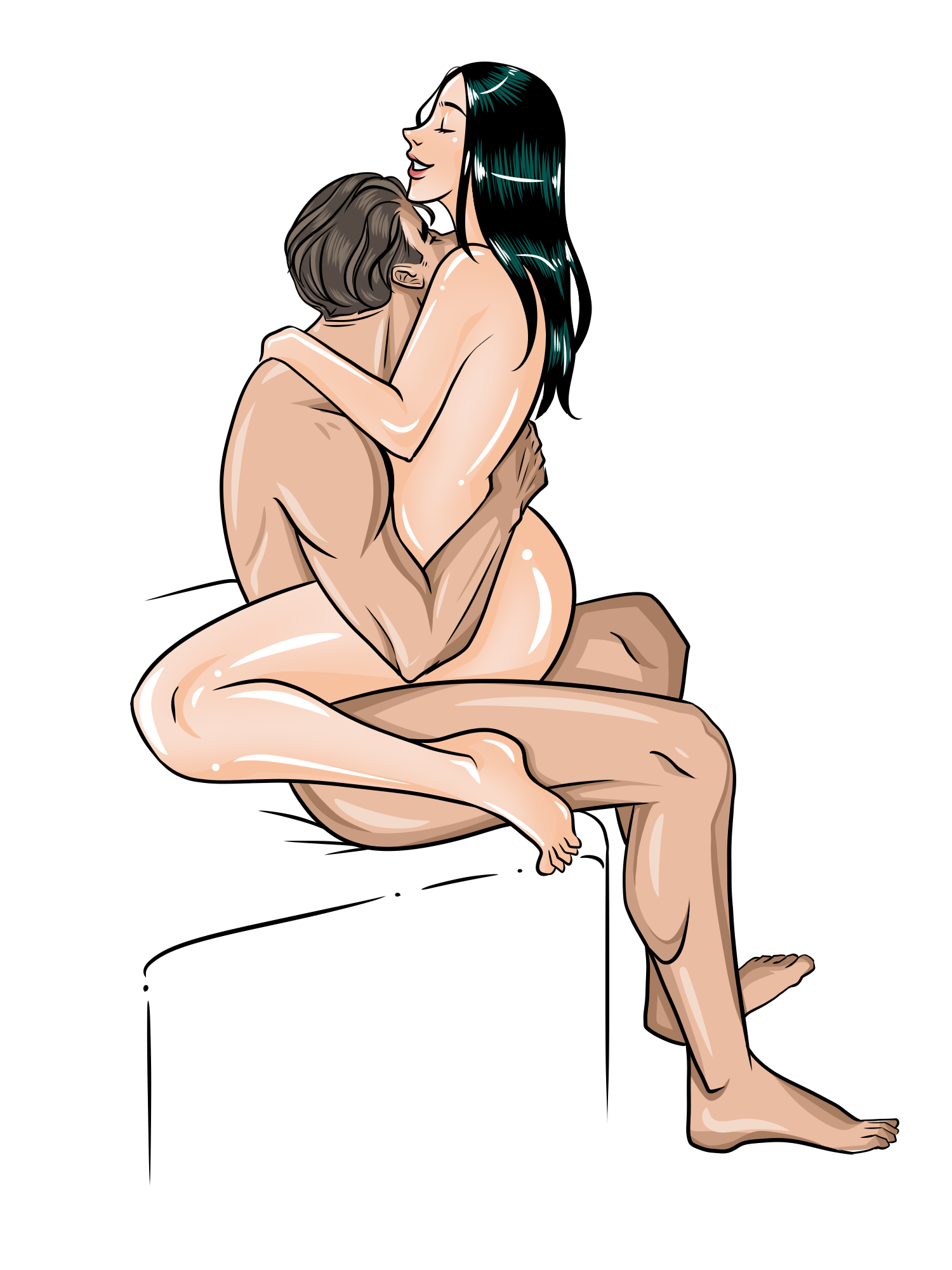
Position #6 – Face Off (Seated)
Face off lets her sink down exactly as far as she wants while you hold her weight.
- Sit on a chair or bed edge. She straddles you, lowers herself down.
- Rock together. No bouncing. Just slow rolls.
- Your hands on her hips let her pause or adjust without saying a word.
Position #7 – Modified Doggy (Shallow Doggy)
Modified doggy keeps it shallow, so you're not jackhammering her cervix like every guy before you.
- She keeps her knees together. Automatically limits how far you can go.
- Both of you lower your chests down. Flattens the angle, kills the cervix punch.
- Half-strokes only. Grind more than thrust.
Position #8 – Prone Bone (Face-Down)
Prone bone has her legs together, so you physically can't go too deep. Snug, shallow, safe.
- She lies flat on her stomach. Small pillow under her hips if she wants.
- Keep her legs together. That's your depth control.
- Rock slow. No pulling out. Just pressure and rhythm.
These positions are starting points. Mix and match, modify, use pillows, adjust angles. Do whatever makes her go “mmm” instead of “ouch.” The goal is to ensure sex is pleasurable and comfortable, not a fearful experience.
But there’s another piece to this puzzle: talking about it. Let’s get into how to ask her about pain without totally killing the mood.
Andrew’s Expert Tips On How To Ask About Pain Without Killing The Mood
“Hey, does that hurt?” isn’t exactly pillow talk material. But here’s the deal: if you don’t talk about it, you’re flying blind. She might endure pain in silence (many women do, because they don’t want to disappoint their partner), and you’ll be none the wiser. Here's how to talk about painful sex without that awkward look.
Tip #1 – Ask Early, Not After
Ask before anything hurts. Preventing pain beats fixing it mid-thrust every time.
Pull back during foreplay, look her in the eyes, and say, "I'm not asking because I think something's wrong. I'm asking so nothing goes wrong." That one line kills her fear that speaking up will ruin the mood. She stays relaxed, you stay informed, everybody wins.
Tip #2 – Use Either-Or Questions
Give her choices. "A or B" is way easier than admitting something hurts.
Whisper "Shallow or deeper?" right when you're about to shift. Let's her guide you past tender spots without killing the vibe. If she's anxious about past sexually transmitted diseases or pelvic pain, two clean options keep her brain from spiraling.
Tip #3 – Check In With A Number
A quick 1-10 keeps things playful and pain-free.
During position changes, ask "What number you at?" If she says above a 2 or 3, adjust before she hits real pain. Keeps dyspareunia treated as the temporary signal it is, rather than a mood-killing conversation.
Tip #4 – Praise The Feedback
Reward her honesty like she just handed you gold.
The second she speaks up, say "Thank you for telling me" and mean it. No sigh, no ego, no stopping dead like she ruined everything. When you stay calm, her body learns that speaking up about pelvic floor dysfunction or bladder pain leads to safety, not awkward silence.
Tip #5 – Offer The Opt-Out
She needs to know that stopping is always an option. No drama. No pressure.
Look her in the eyes before anything starts and say, "If anything hurts, we stop. No pressure. No questions." When she knows she can tap out, her pelvic floor actually relaxes. And a relaxed pelvic floor is half the battle against pelvic floor dysfunction and painful sex.
Tip #6 – Debrief In Two Lines After
A quick post-game chat prevents repeat pain next time.
After, just say "That switch we made felt better, yeah?" or "All good today?" Two lines max. If she mentions vaginal walls feeling sore or bladder pain flaring, you just learned exactly what to avoid tomorrow.
At the end of the day, talking about sex (even the not-so-fun parts) is part of sex. Especially when dealing with something like painful intercourse, your words and attitude are like lubricant for her mind.
Alright, bro, you’ve heard my side…now let’s tag in a woman before we keep messing this up.
A Woman's Perspective..
On Painful Sex Mistakes Men Make & What To Do Instead
There are a few common missteps we see men make over and over that make things worse. I’m here to gently (okay, bluntly) call those out, so you can avoid them. So listen up and let’s make sure you’re the partner who gets it right when she’s in a tough spot.
Mistake #1 – Blaming Her Body
When you blame her body, she feels broken in the one place she's already vulnerable.
Say "This isn't your fault. Bodies aren't broken, they're just communicating. We'll figure it out together." Pain during intercourse can be a sign of a gynecologic problem like endometriosis or an ovarian cyst. Your job isn't to diagnose, it's to be the guy who stays calm while she figures it out with a healthcare professional.
Mistake #2 – Assuming She Just Needs To Relax
Telling her to "relax" tightens her up more. It dismisses the real causes of pain.
Create calm instead of demanding it. Slow buildup. Warmth. Touch with zero destination. If she deals with pelvic floor dysfunction or past sexual abuse, her muscles aren't choosing to clamp up; they're protecting her. Your patience does more than your words ever will.
Mistake #3 – Ignoring The Pain Signs
When she winces, and you keep going, she learns her pain isn't seen. That hurts worse than anything physical.
Pause the second you notice tension, even if she hasn't spoken. Ask softly, "You okay?" Then adjust. Shallower angle, different position, more lube. Using water- or silicone-based lubricants can alleviate discomfort during sex, especially if a lack of lubrication is caused by a drop in estrogen after menopause or childbirth.
Mistake #4 – Thinking It'll Fix Itself
Pain during sex rarely disappears on its own. Avoiding it just leaves her hurting and alone.
Bring it up gently outside the bedroom. "I've noticed sex has been hurting you. I hate that. Let's figure out what's going on." Painful intercourse is treatable, but only if you stop pretending it'll magically disappear. Suggest a physical exam. Offer to go with her. Sexual health is a team sport, not her problem to solve alone.
Listen to her body and her words; put her comfort above the momentary thrill; reassure rather than blame; and be proactive rather than passive. Basically, be the partner you’d want her to be if you were the one in pain. How lucky would you feel if someone cared for your experience with such attention? Give her that luck.
Alright, I’m handing the mic back to Andrew for the FAQ section.
Frequently Asked Questions
Let’s tackle some of those burning (no pun intended) questions you might still have.
Can painful intercourse stop a woman from wanting sex at all, especially if she feels deep pain every time?
Yes. When a woman experiences painful sex or frequent pain, her body starts associating sexual activities with physical pain instead of pleasure. Severe or frequent pain during sex is not normal and should be addressed by a gynecologist. If dyspareunia is more common in women and she keeps feeling hurt, her sex life naturally shuts down to protect her.
Does pain during sex mean she’s not attracted to me?
Pain has nothing to do with her attraction or your physical appearance. Most women experience pain because of pelvic floor tension, emotional factors, insufficient lubrication, or not enough foreplay. Dyspareunia is more common in women, but anyone can experience painful sex, and it’s usually physical, not personal.
Can pain during intercourse cause long-term damage if we keep trying, even when the physical causes aren’t clear yet?
Yes. Keeping going when she continues to experience pain can increase inflammation, tighten the pelvic floor, and make future sex more painful. Severe or frequent pain during sex is not normal, and pushing through it can worsen the issue before dyspareunia is treated.
Is painful sex common for younger women, too, or only older women with risk factors like pelvic floor issues or irritable bowel syndrome?
Painful sex affects younger and older women equally. Many people experience discomfort during sex but may not seek help because it’s a sensitive topic. Younger women can still experience pain from pelvic floor issues, insufficient lubrication, not enough foreplay, IBS, or other physical causes age is not the deciding factor.
Should I bring up her painful intercourse with a healthcare provider, or let her talk about it herself when dyspareunia is diagnosed or treated?
Let her lead the conversation, but support her fully. If pain keeps showing up, a healthcare provider needs to evaluate physical causes. Women who seek help for dyspareunia may be eligible for treatments like relaxation exercises, counseling, or medical care that can transform their sex life.
Ready to take your skills to the next level? Join our exclusive online course “Squirting Triggers” and gain in-depth knowledge with expert guidance, easy-to-follow step-by-step explanations, live demonstrations, and two female perspectives. Don’t just read about it – master it! Enroll today and start transforming your life. Get started Now!