


Menopause isn’t the end of your sex life. It’s just a new chapter in how your body wants to be loved. Studies show that about 57% of postmenopausal women notice changes in arousal and lubrication, so you just have to learn where to meet your body. And we’re going to talk exactly about that.
In this article, we'll cover:
Can You Still Squirt After Menopause?
Study #1 – Your G-Spot Is Erectile Tissue & Does Not Shrink With Age
The urethral sponge is an erectile structure packed with cavernous spaces that fill with blood during arousal. This tissue does not rely on estrogen to function. (Journal of Sexual Medicine, 2020)
This Means
Study #2 – Vaginal Dryness Has Nothing To Do With Squirting Or Female Ejaculation
Female ejaculation fluid originates from the Skene's glands, while vaginal lubrication is produced by the vaginal walls. These are chemically distinct and come from completely different sources. (Journal of Sexual Medicine, 2021)
This Means
Study #3 – More Sex Actually Keeps Your Tissues Healthier Down There
Postmenopausal women who maintain regular sexual activity have healthier vaginal tissue tone and better blood flow to the pelvic region compared to those who are sexually inactive. (Menopause Journal, 2019)
This Means
Study #4 – Women Across All Ages Report Squirting, Including After 50
Almost 70% of women report experiencing squirting, with no age cutoff in the statistics. Women in their 40s, 50s, and 60s report learning to squirt for the first time. (Menopause Review, 2023)
This Means
Study #5 – Your Urethral Sponge Stays Responsive To Touch For Life
The urethral sponge has dense autonomic and sensory innervation that does not degenerate with age. It remains structurally active and continues to swell during sexual arousal. (Journal of Sexual Medicine, 2021)
This Means
The research is clear, your G-spot still works, your nerves still fire, and your body can absolutely still squirt after menopause.
Now, let me step aside and let the women who have lived it tell you how it actually feels when you stop doubting and start enjoying.
What Women Post-Menopause Say About Squirting?
Experience #1 – Discovering Squirting For The First Time In Her 40s
I thought squirting was fake, its not. It happened severally. I just turned 42 and discovered this superpower. Its intense. As are orgasms. In college with my now husband, i had such a powerful and intense orgasm I was continuing to have multiple orgasms long after he stopped. —r/Marriage
Experience #2 – Still Squirting In Her 50s
I’m 52… I still squirt and honestly it hasn’t changed much at all. —r/Menopause
Experience #3 – Fluid Release Still Happens After Menopause
I’m postmenopausal and still get that ‘gushing’ feeling during sex sometimes. —Women's Health Interactive Forums
See? Your body doesn’t forget how to feel good. These women prove what science already knows: you can still squirt, orgasm, and feel incredible long after menopause.
But to really understand how this all works, we need to look at what’s actually changing inside your body and why it doesn’t stop your pleasure.
How Menopause Changes Your Body (But Doesn’t Stop Squirting)
Ladies, menopause changes how your body behaves, not what it’s capable of. Let’s look at what’s actually shifting inside your body and why none of it takes away your ability to release.
Change #1 – Ovaries Stop Releasing Eggs
Your ovaries have been releasing eggs every month since puberty. During menopause, they stop.
Does This Affect Squirting?
Change #2 – Estrogen Levels Drop Significantly
Estrogen keeps your vaginal walls thick and moist. When it drops, you may experience vaginal atrophy (thinning tissues) and dryness.
Does This Affect Squirting?
Change #3 – Testosterone Levels Also Drop
Lower testosterone can lower your sex drive and slow down blood flow to your pelvic area.
Does This Affect Squirting?
Change #4 – Vaginal Tissues Become Thinner & Less Elastic
This condition is called genitourinary syndrome of menopause (GSM). Your tissues become more fragile.
Does This Affect Squirting?
Change #5 – Natural Lubrication Slows Down
Your body produces less vaginal moisture, which can make penetrative sex uncomfortable without added help.
Does This Affect Squirting?
Change #6 – Blood Flow To The Pelvis Decreases
Lower hormonal changes mean less blood rushes to your pelvic area during arousal. Everything takes longer to warm up.
Does This Affect Squirting?
Change #7 – The Vaginal Microbiome Shifts
The balance of good bacteria can change, making you more prone to infections.
Does This Affect Squirting?
Change #8 – Pelvic Floor Muscles May Weaken
Weak pelvic floor muscles can lead to a delay and weak orgasms in menopause.
Does This Affect Squirting?
So yes, menopause reshapes your body in subtle ways, but your ability to squirt, orgasm, and feel sexual pleasure stays intact. The system that fuels that release doesn’t retire with age, it just asks for patience, curiosity, and touch that meets your body where it’s at now.
Now, let’s talk about the adjustments that make it easier to get there.
Isabel’s Recommended Adjustments To Make Yourself Squirt Even After Menopause
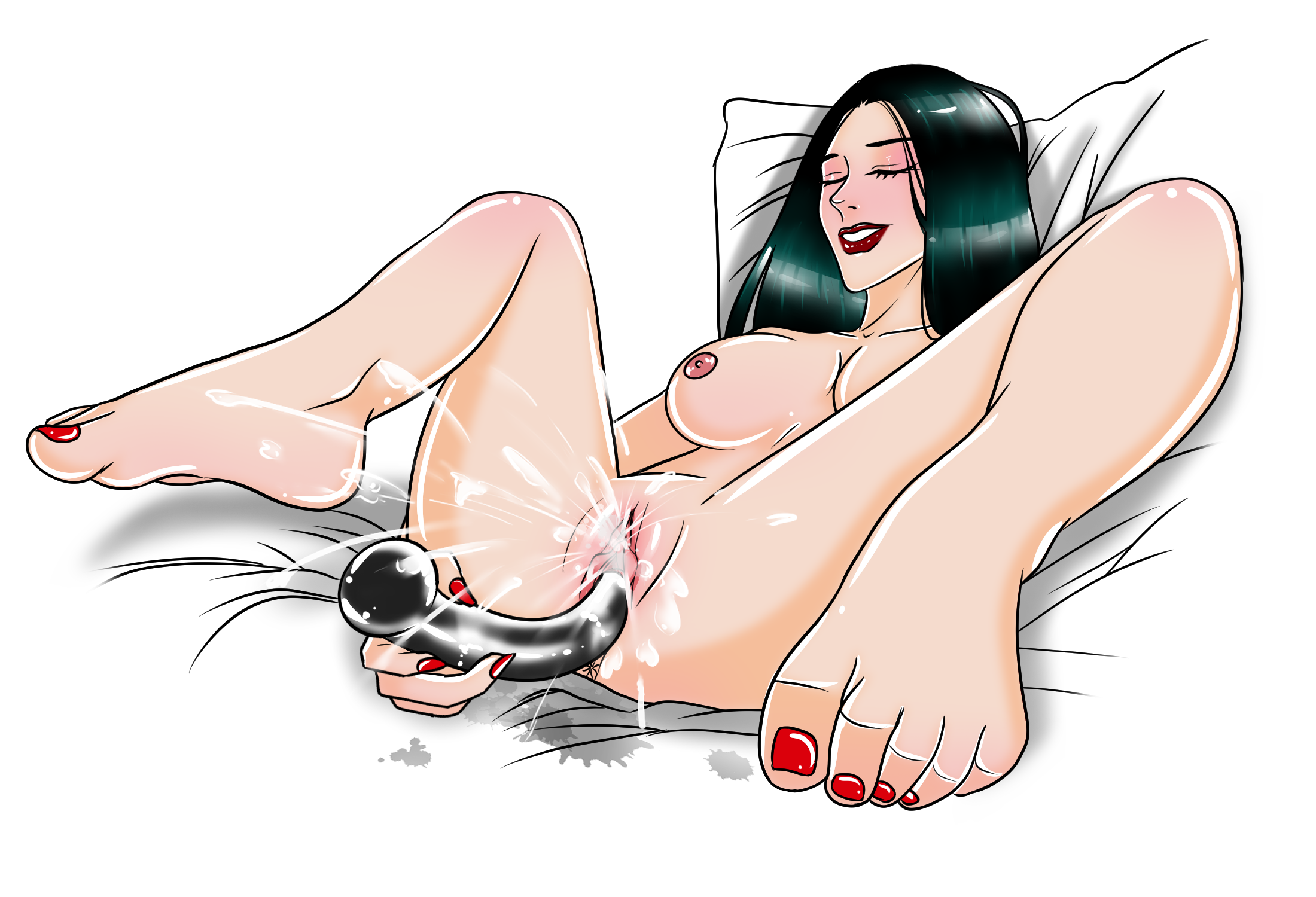
Your body still works. It just needs different inputs now. Here is what actually helps.
Adjustment #1 – Extend Foreplay To Wake Up Slower Blood Flow
Your blood circulation to the pelvic area is slower now, so your G-spot needs more time to swell.
Do This
Adjustment #2 – Use A Curved Toy Instead Of Tired Fingers
Sex toys designed for G-spot stimulation hit the exact angle your fingers usually miss.
Do This
Adjustment #3 – Switch To Silicone Lube For Longer Sessions
Water-based lubricants dry out fast, and you need lasting slickness for the slow build your body requires now.
Do This
Adjustment #4 – Lift Your Hips To Change The Pressure Angle
A pillow under your hips tilts your pelvis so your G-spot faces upward instead of hiding.
Do This
Adjustment #5 – Exhale When You Feel The "Have To Pee" Sensation
That urge is your body getting ready to release. Clenching blocks it. Opening lets it flow.
Do This
Adjustment #6 – Wake Up Nerve Endings With Vibration First
Clitoral stimulation alone may not reach your urethral sponge. Vibration on the G-spot area does.
Do This
Adjustment #7 – Manage Your Bladder Timing Carefully
A completely empty bladder changes your internal angles. A full bladder feels urgent and distracting.
Do This
Adjustment #8 – Talk To Your Doctor About Medications That Block Arousal
Certain medications can impact arousal and may make squirting less likely. Blood pressure meds, antidepressants, and allergy drugs are common culprits.
Do This
Adjustment #9 – Stop Trying To Squirt & Just Feel
Pressure kills the reflex. The moment you think "okay, now squirt," your pelvic floor clenches and nothing happens.
Do This
Adjustment #10 – Get Enough Sleep & Manage Stress
Getting well-rested is important, as poor sleep quality is linked with sexual dysfunction in postmenopausal women.
Do This
Adjustment #11 – Use Vaginal Moisturizers On Non-Sex Days
Dryness between sessions makes arousal slower. Vaginal moisturizers can support vaginal moisture levels.
Do This
Your body just wants you to meet it a little differently. Slow down, stay curious, and treat your sexual health as part of your overall well-being. And remember, your squirt remains, your desire is still alive, and this chapter might just hold the most satisfying sex of your life.
Now, let’s clear up some worries and questions every woman has about menopause.
Frequently Asked Questions
Here are straight answers about your body, pleasure, and what is still possible after menopause.
Yes, but it may take more time and the right kind of stimulation. Using a personal lubricant can help alleviate discomfort during sex caused by vaginal dryness, and water-based lubricants are recommended for their natural ingredients and fewer adverse effects. Vaginal dryness is a common problem caused by low estrogen levels during menopause, but it does not mean your body has stopped responding.
You are considered post-menopausal when you have not had a period for 12 consecutive months. Most menopausal women notice other signs along the way, like hot flashes, mood changes, and vaginal dryness. These are all normal parts of hormonal changes, and a healthcare provider can help you explore medical treatments or natural supplements if symptoms feel overwhelming.
Common symptoms include vaginal dryness, thinning vaginal tissue, hot flashes, night sweats, and a drop in sexual desire. Lower testosterone levels in menopause can also lead to decreased libido, and reduced blood flow can make arousal take longer. Women can still experience orgasms after menopause, even if it may take more effort or adjustment.
Absolutely. Your G-spot is erectile tissue, not a hormone. It still swells with blood when you are aroused. Direct stimulation with fingers or a curved toy during partnered sex can help you reach orgasm. Research has indicated that women can have fulfilling sexual experiences even in postmenopausal years, and trying different types of stimulation can help you discover what feels good now.
Neither, it is just different. Slower blood flow means your urethral sponge takes longer to swell, but menopause does not eliminate the ability to experience female ejaculation or squirting. Increased blood flow to the genitals can help restore pleasure, and staying well-hydrated can make a difference in your body's ability to produce fluids. Women can still experience squirting after menopause with the right techniques and adjustments.
Yes. Hormone replacement therapy or vaginal estrogen creams can improve decreased lubrication and tissue health, which supports sexual well-being and makes female squirting easier. Natural supplements like D-mannose or maca root may help some women, but an international online survey found that sexual satisfaction often improves more from healthy lifestyle choices like exercise and hydration than from pills alone.
Not at all, but pain is a signal to change your approach. Physical changes like thinning tissues or decreased lubrication can make direct stimulation uncomfortable, but oral sex, anal stimulation, or using more lubricant can help you achieve orgasm without pain. Many women stay sexually active throughout their life by adapting their techniques, and menopause squirting remains possible when you listen to what your body needs now.
Ready to take your skills to the next level? Join our exclusive online course “Squirting Triggers” and gain in-depth knowledge with expert guidance, easy-to-follow step-by-step explanations, live demonstrations, and two female perspectives. Don’t just read about it – master it! Enroll today and start transforming your life. Get started Now!