

What Is Smegma In The Penis & Vulva? Your Ultimate Guide To Causes, Cleaning & Prevention

  • Home
  • Blog
  • What Is Smegma In The Penis & Vulva? Your Ultimate Guide To Causes, Cleaning & Prevention

What Is Smegma In The Penis & Vulva? Your Ultimate Guide To Causes, Cleaning & Prevention

Written by Andrew Mioch

Published on July 16, 2026

As a certified sexologist, best-selling author & international speaker, Andrew has helped over 5,000+ men transform their sex lives, turn around sexless marriages, and feel more empowered inside and outside the bedroom.

What is smegma? Yeah, that white, cheesy-looking stuff under your foreskin that sent you straight to Google. It is harmless, but when it builds up, it can cause odor, irritation, and balanitis, which affects around 1 in 30 uncircumcised men. Keep reading, because I’ll show you what is normal, how to clean it properly, and when it is time to see a doctor.

In this article, we'll cover:

  • Why that white stuff under your foreskin or around her clit is actually normal (and what your body is trying to tell you)
  • The difference between harmless smegma and signs of infection, pain, or balanitis that need a doctor
  • How to clean properly without harsh soaps, plus the myths that keep men embarrassed and avoidant

What Is Smegma?

Smegma is a combination of shed skin cells, natural skin oils (sebum), and moisture that accumulates in the genital area of both sexes. The word comes from the Greek smēgma, meaning “soap” or “cleansing agent”, ironic, given its reputation. In a healthy body, smegma serves as a natural lubricant and protective barrier for sensitive mucosal tissues.

Smegma In Males vs. Females: It’s Not Just A “Guy Thing”

A common misconception is that build-up of smegma is exclusively a male concern. In reality, anyone with a vulva can also produce it.

Smegma In Males: Where Does It Occur?

  • Under the skin at the tip of the penis – Between the loose skin and the head, where dead skin and oils get trapped.
  • In the groove below the head – The ridge where the head meets the shaft, a common spot for smegma to hide.
  • On the head and the small skin tag underneath – On the surface of the head and the tiny piece of skin that connects it to the shaft.

Smegma In Females: Where Does It Occur?

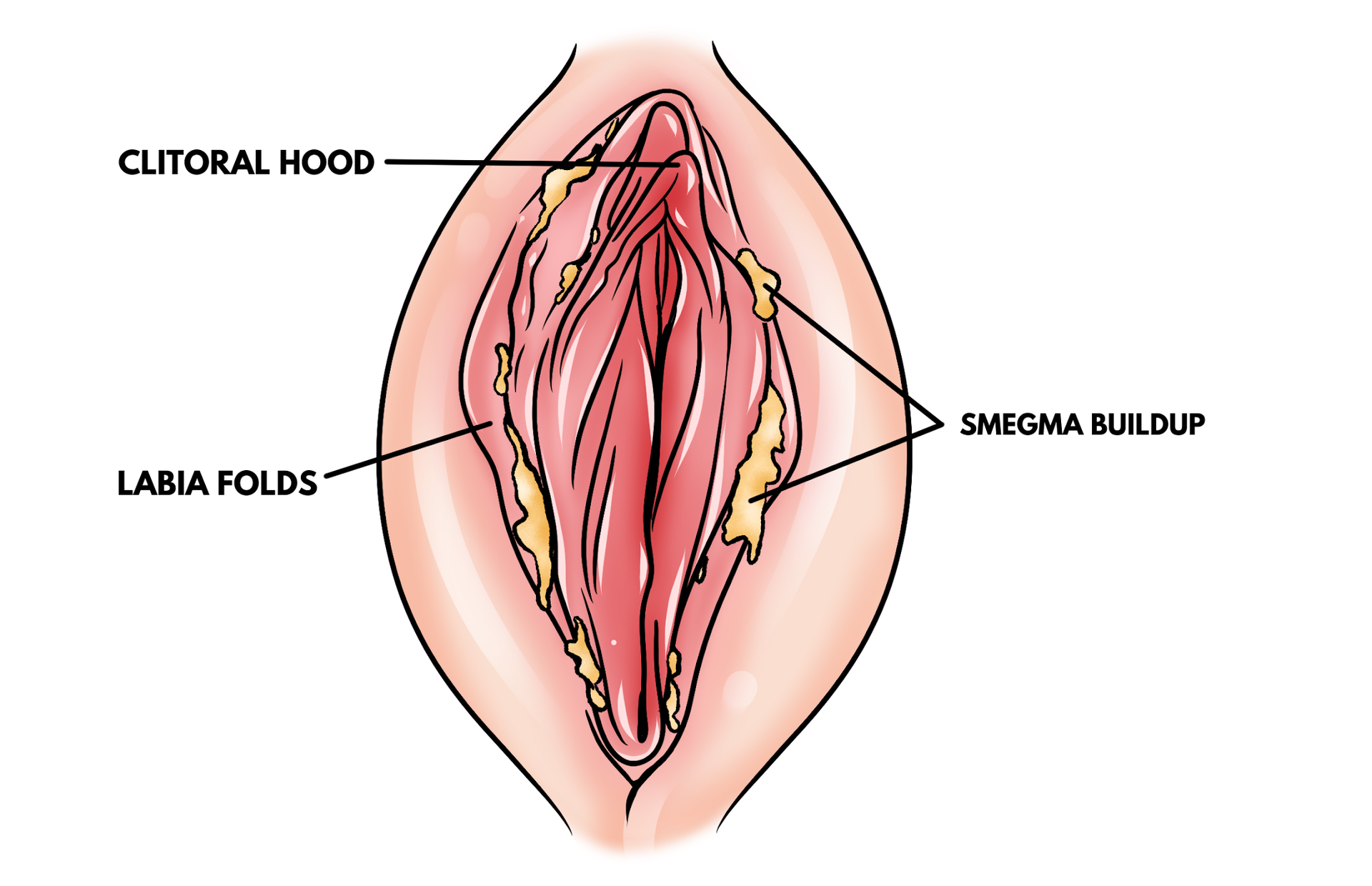
  • Around the clitoris and under its hood – Between the small hood of skin and the clitoris itself, where the mix of dead skin cells and oil can collect.
  • Between the inner lips (labia minora) – In the folds of the smaller lips, where smegma can build up over time.
  • Around the opening of the vagina – Near the entrance, where secretions and skin cells can gather.

What’s Actually In Smegma?  

Smegma isn’t just “dirt.” Research (including classic studies by Parkash et al. and more recent reviews) has identified the following components.

Composition Of Smegma

  • Natural oils: These help keep the skin under your foreskin soft and stop it from drying out.
  • Dead skin cells: Your skin constantly sheds old cells, and some of them collect under the foreskin.
  • Body chemicals: Smegma contains natural hormone-related compounds that can give it a slightly musky smell.
  • Good bacteria: Just like the rest of your skin, the area under your foreskin has harmless bacteria living on it. One of them is called Mycobacterium smegmatis.
  • Moisture and tiny urine drops: Water, sweat, and small traces of urine can get trapped under the foreskin, especially when you do not dry the area properly.

Why Do Our Bodies Make It?

The body rarely does something without a reason. Smegma has protective functions.

Functions Of Smegma

  • It works like a natural lubricant: It helps the foreskin move over the head of the penis more smoothly, which means less rubbing, soreness, and chafing.
  • It supports the skin’s natural defenses: Smegma contains substances that help control some harmful bacteria and yeast, including Candida.
  • It keeps the area from drying out: The skin on the glans is thin and sensitive, so natural moisture helps prevent dryness, irritation, and tiny cracks.

Under normal conditions, smegma is a natural  formation and is not harmful. The problem arises not from smegma itself, but from stagnation. When old smegma is not washed away regularly, it gives bacteria and yeast a warm, moist place to grow and lead to inflammation.

Alright, so what are the signs your genitals are officially done being polite?

When Does Smegma Become A Problem?
Here’s where harmless formation of smegma stops being normal and starts causing real problems for the penis or vagina.

Sign #1 – The Buildup Keeps Coming Back

If thick smegma returns quickly after washing, something is keeping dead skin, oils, and moisture trapped there. That repeated buildup is no longer just normal day-to-day smegma.

Sign #2 – There Is A Strong Smell

Smegma can have a mild musky scent, but a sharp, fishy, or rotten smell usually means bacteria or yeast are growing in the genitals.

 Sign #3 – The Skin Looks Red Or Swollen

Trapped smegma can irritate the glans and foreskin, or the clitoral hood and labia.
If it looks red or puffy, the buildup is already causing trouble.

Sign #4 – The Area Feels Itchy Or Burns

Smegma itself should not itch or burn, but trapped buildup can irritate the penis or the folds around the vagina. If the stinging keeps coming back, yeast, bacteria, or inflamed skin may already be joining the party.

Sign #5 – Your Foreskin Will Not Retract (Phimosis)

When the foreskin will not pull back, smegma stays trapped underneath with nowhere to go. That can make the buildup thicker, smellier, and much harder to remove.

Sign #6 – Pain During Sex Or When Touching

When smegma sits too long, it can irritate the glans, foreskin, clitoral hood, or labia until even light touch feels sore. During sexual intercourse, that inflamed skin stretches and rubs, so the pain usually gets worse.

Sign #7 – It Can Lead To STI

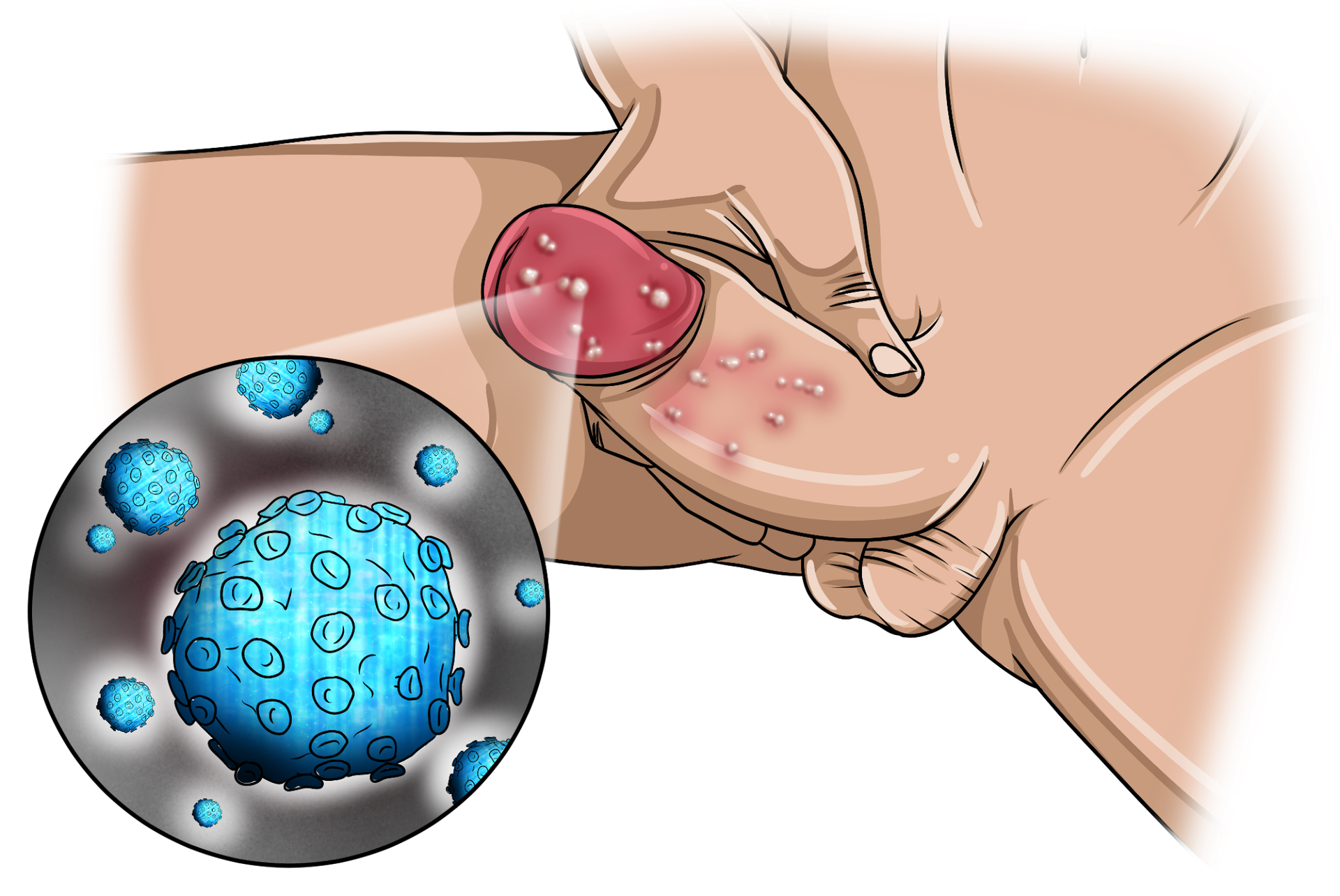
While smegma itself is not contagious, viruses and bacteria, including HPV and HIV, can be present in the smegma film. But no, smegma is not an STI, and you cannot “catch” smegma from someone else.

Sign #8 – It Burns When You Pee

Built-up smegma can leave the glans, foreskin, vulva, or labia raw and irritated, so urine suddenly stings like hell. But if the burning keeps happening, get checked, because it can also mean a UTI or STI.

Sign #9 – Smegmoma (Smegma Pearls)

Smegma pearls are small, pale bumps that sit just under the skin. They’re harmless, but they can look strange if you’ve never seen one. They usually happen when smegma gets stuck in one spot and firms up over time.

Sign #10 – Uncontrolled Smegma Comes With Fever Or Chills

When smegma buildup leads to a serious infection, fever, chills, or swollen lymph nodes can show up. At that point, washing is not enough. You need medical help.

Sign #11 – You Keep Getting Balanitis

Repeated balanitis means the foreskin and glans is being inflamed again and again, often because of phimosis, trapped smegma, harsh soap, or poor personal hygiene.

Common Signs Of Balanitis Include

  • Redness or swelling
  • Itching or burning
  • Pain or tenderness
  • Thick white buildup
  • Painful urination
  • Pain during erections
  • Difficulty pulling back the foreskin

Smegma has a normal role, including lubrication, but if your foreskin will not pull back or anything looks like sexually transmitted infections, stop guessing and get medical attention.

Alright, now let’s talk about what to actually do before your genitals file a formal complaint.

Andrew’s Expert Tips On Smegma Hygiene, Prevention, & Treatment
Smegma does not mean you are dirty, it just means your body needs a little regular maintenance down there. Here is how to handle it like a grown man without the awkwardness.

Tip #1 - Clean The Hidden Areas Properly

Smegma builds in the spots most men and women miss, especially under the foreskin, around the glans, and beneath the clitoral hood. That is where dead skin, oil, and moisture quietly pile up.

Do This

  • Gently retract the foreskin or clitoral hood.
  • Rinse the folds and genitals with warm water.
  • Pat everything dry before covering the area again.

Tip #2 - Use The "Retract & Wait" Foreskin Technique

Most men clean under the foreskin, then roll it forward while the skin is still damp, which traps moisture where smegma builds.

Do This

  • Retract the foreskin back and rinse underneath gently.
  • Leave it back for about 60 seconds while you dry off.
  • Return it to place only when the skin feels fully dry.

Tip #3 - Wear Breathable Underwear & Change It Daily

If you are prone to smegma buildup, one pair all day can trap sweat, heat, and bacteria right where you do not want them.

Do This

  • Choose a loose fit and natural fabric that does not press the foreskin against damp fabric.
  • Change again before bed so bacteria are not sitting there overnight.
  • Wash underwear with fragrance-free detergent if the skin gets irritated.

Tip #4 - Do Not Overwash Or Use Harsh Soaps

Regular washing helps prevent smegma, but scrubbing too often strips oils from the sebaceous glands and leaves sensitive skin raw.

Do This

  • Wash once or twice daily, not after every bathroom trip.
  • Use mild, unscented soap only when needed.
  • Turn down the water temperature if the skin feels dry or sore.

Tip #5 - Use A Soft Damp Cloth To Lift Smegma Gently

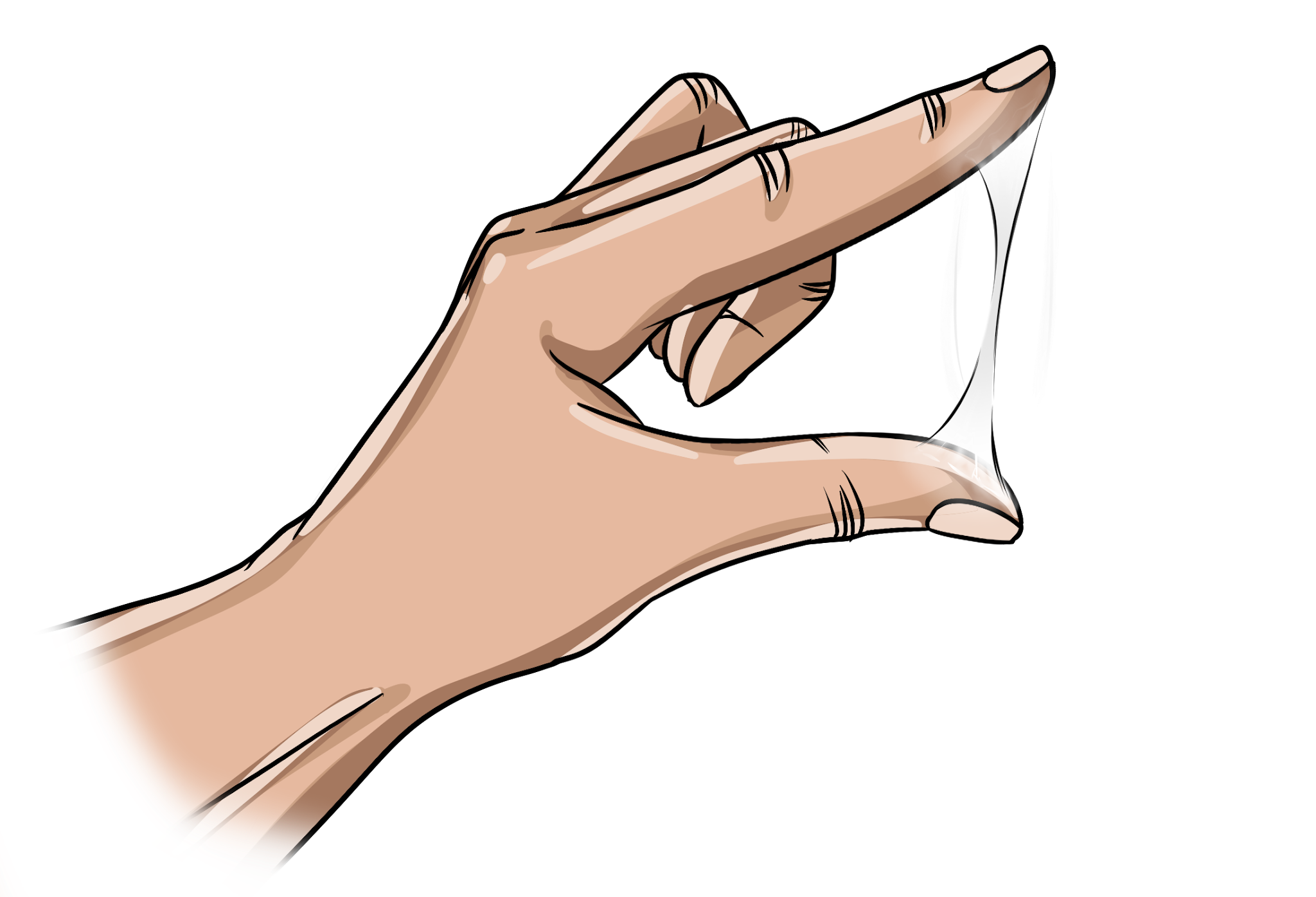
Fingertips smooth over the surface and push smegma around without lifting it. A soft, damp washcloth has microscopic texture that gently lifts dead skin cells and oils without scrubbing.

Do This

  • Wet the cloth with warm water first.
  • Use light, gentle strokes over visible buildup.
  • Rinse the cloth often so you are removing smegma, not moving it around.

Tip #6 - Soften Hardened Smegma Before Removing It

When smegma builds for too long, it can harden into a white or yellow lump, sometimes called a smegma pearl.

Do This

  • Soak the area in warm water for several minutes.
  • Wipe the softened accumulation of smegma away gently.
  • Never scrape it with nails, tweezers, or sharp tools.

Tip #7 – Use A Drop Of Coconut Oil After Washing

A tiny drop of organic coconut oil can help dry skin feel softer, calmer, and more comfortable after washing.

Do This

  • Warm one tiny drop between clean fingertips.
  • Smooth on a very thin layer over fully dry outer skin.
  • Keep the amount light so the area stays comfortable, not greasy.

Tip #8 – Pat Dry, Do Not Rub

Rubbing creates micro-tears that trigger more oil production. Patting dry removes moisture without turning sensitive skin into the next problem.

Do This

  • Pat the glans and foreskin gently with a soft towel, do not rub.
  • Use a separate clean corner of the towel for the glans and the shaft.
  • If the towel feels rough, use a soft cotton cloth instead

Tip #9 – Use A Hairdryer On Cool Setting For Final Dry

Sometimes, towels leave lint behind, which mixes with oils and creates more smegma.

Do This

  • Use a hairdryer on the cool setting for 10 seconds to remove moisture and lint.
  • Keep the dryer at least 12 inches away from the skin.
  • Do not use warm or hot air, it irritates sensitive tissue.

Tip #10 - Treat Balanitis Based On The Actual Cause

Accumulated smegma can trap yeast or bacteria and cause irritation and inflammation, but the treatment depends on what is actually causing it.

Do This

  • Use antifungal creams only when yeast is confirmed or suspected by a clinician.
  • Apply prescribed steroid cream to calm inflammation.
  • Use antibiotics only when a healthcare provider confirms bacteria.

Tip #11 - Ask About Medical Treatment For Phimosis

Circumcision is not necessarily the first step in the prevention of smegma problems. Doctors often begin with steroid ointment and gentle stretching.

Do This

  • Ask whether a topical steroid such as betamethasone is suitable.
  • Follow stretching exercises taught by a healthcare provider.
  • Discuss circumcision only when phimosis is severe or infections keep returning.

Tip #12 – Check Your Diet

What you eat changes the microbiome under the foreskin.

Do This

  • Reduce sugar and dairy intake for two weeks and monitor any changes in buildup
  • Sugar feeds yeast, and yeast irritates skin, which produces more oil.
  • Increase water intake to keep all bodily fluids less concentrated.

Tip #13 - Manage Diabetes & Low Immunity

Diabetes and weak immunity are major risk factors because higher sugar levels help yeast and bacteria grow where smegma builds.

Do This

  • Keep blood sugar under proper medical control.
  • Mention repeated genital infections during checkups.
  • Get reviewed if smegma production suddenly increases.

Tip #14 – Do Not Use Baby Wipes Or Flushable Wipes

Wipes leave a sticky residue that traps more dead skin cells.

Do This

  • Stick to warm water and a soft cloth for daily cleaning.
  • If you use a wipe, choose one that is unscented and alcohol-free.
  • Rinse the area afterward so no residue stays trapped under the foreskin or clitoral hood

Tip #15 - Drop The Shame & Deal With It Early

Both circumcised and uncircumcised men can get some buildup, so smegma does not prove you are dirty, careless, or broken.

Do This

  • Treat smegma like earwax, not a moral failure.
  • Talk openly with your partner or healthcare provider.
  • Get help before embarrassment turns a small issue into pain or infection.

Smegma is not a hygiene failure. It is a biological signal. The goal is not to eliminate it completely. The goal is to prevent stagnation. These tips treat the root causes, not just the surface, brother. Now go clean like a pro.

A supportive partner can make prevention of smegma feel normal, especially when odor, soreness, or embarrassment starts affecting intimacy. So, what do women actually think about smegma, and which myths are men still getting completely wrong?

A Woman's Perspective..
On The Biggest Smegma Myths Men Still Believe

from Isabel
CERTIFIED SEXOLOGIST
Isabel, the female head coach at SQL and SOS, shares her insights on common mistakes to avoid during nipple play from a woman's perspective.

Smegma is not the turn-off men think it is. The real turn-off is shame, denial, and refusing to clean the area properly. Here are the myths men should stop believing, because understanding your body is part of good genital health.

Myth #1 - Only Dirty People Or Uncircumcised Men Form Smegma

Finding a small amount of smegma does not mean you have neglected your body. The foreskin creates an easy place for smegma to build, but it is not the only place body debris can collect.

Fact

Males and females form smegma when natural oils mix with dead skin cells around the foreskin, clitoris, mainly the clitoral hood, or nearby folds. Even circumcised men can get buildup around the ridge of the glans. That normal mix also supports lubrication.

Myth #2 - Smegma Causes Penile Cancer

Men often panic because of the risk of penile cancer when buildup sits around the glans penis after sexual intercourse. 

Fact

Smegma itself does not cause cancer of the penis. Research shows no direct link between smegma and penile cancer. Cancer is associated with chronic inflammation, not smegma per se.

Myth #3 - A Woman Will Be Disgusted If She Notices It

Men often fear that one small amount of buildup will destroy attraction or make a partner judge them.

Fact

Most women care far more about honesty, good hygiene, and how you handle the situation. Washing the genitals, communicating openly, and taking care of yourself matters more than pretending bodies never get messy.

Smegma is normal, shame is useless, and taking care of your body is what actually matters. Now let’s clear up the questions men are too embarrassed to ask out loud but happily type into Google at 2 a.m.

Frequently Asked Questions

Let’s clear up the awkward questions before your imagination turns a little buildup into a full-blown medical drama.

Can sex remove smegma?

No. Sexual activity does not “clean” smegma. It’s best removed by gentle washing. Relying on intercourse or other means can leave smegma to build up further. 

How long does it take for smegma to build up if I don’t clean?

There is no fixed timer. It can appear within days when dead skin, oils, sweat, and moisture stay trapped under the foreskin of the penis.

Does smegma mean I have an STD or infection?

No. Natural buildup causes smegma, not an STI, but redness, burning, sores, or unusual discharge can signal infection and need checking.

Can my partner get an infection from my smegma during sex?

Smegma itself is not contagious, but heavy buildup can support bacterial growth and irritation, so pause sex if either partner has pain, sores, or discharge.

Is it normal to have a little smegma even when I’m clean?

Yes. A small amount is normal because the function of smegma for lubrication is to reduce rubbing between sensitive genital folds.

Ready to take your skills to the next level? Join our exclusive online course “Squirting Triggers” and gain in-depth knowledge with expert guidance, easy-to-follow step-by-step explanations, live demonstrations, and two female perspectives. Don’t just read about it – master it! Enroll today and start transforming your life. Get started Now!

Andrew Mioch

Andrew Mioch is a certified sexologist and one of the world’s leading sex coaches and best-selling author after spending 10 years learning from experts all over the world.

Andrew has personally coached over 5,000 men. His expertise is regularly sought in publications such as Men's Health, Medium, and Cosmopolitan Magazine.

These days, Andrew spends most of his time coaching clients privately and also through SQL’s online Mastery Academy.


Disclosure: Our content is reader-supported. This means if you click on some of our links, then we may earn a commission. We only recommend products that we believe will add value to our readers.


Leave a Reply

Your email address will not be published. Required fields are marked

{"email":"Email address invalid","url":"Website address invalid","required":"Required field missing"}

MORE LESSONS LIKE THIS

Can You Get Fired For Sex At Work? A Man’s Guide To Handling Workplace Desire

Can You Get Fired For Sex At Work? A Man’s Guide To Handling Workplace Desire

Can Sex Delay Your Period? Why It’s Late & When To Take A Pregnancy Test

Can Sex Delay Your Period? Why It’s Late & When To Take A Pregnancy Test

A Man’s Guide To Slow Sex: How To Last Longer & Satisfy Her Better

A Man’s Guide To Slow Sex: How To Last Longer & Satisfy Her Better