

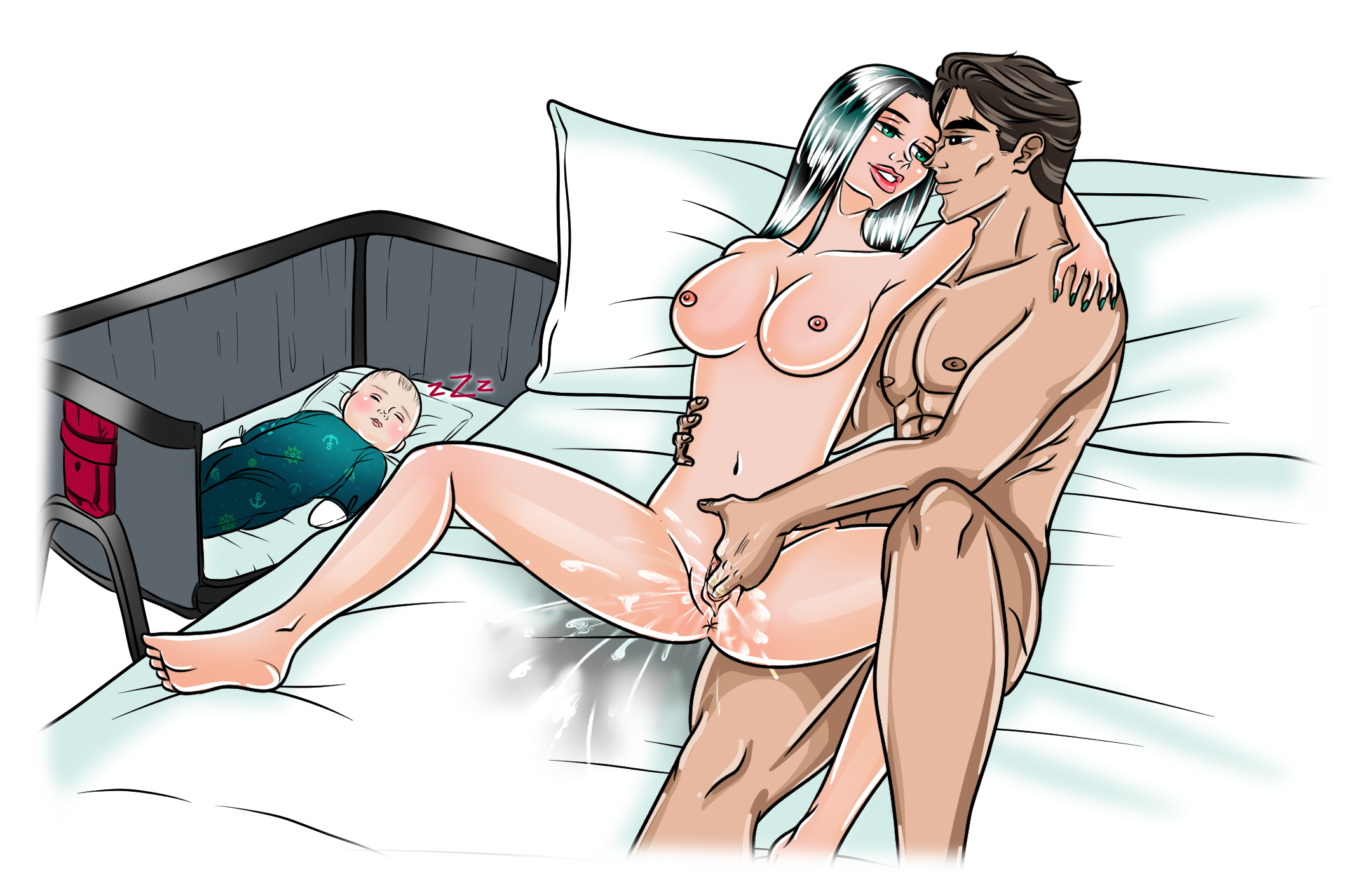

Squirting after childbirth, is it still on the menu, or did giving birth change everything in the bedroom? Good news! 89% of women are back to sex within six months after giving birth, and many say their orgasms actually feel different. Stick around, because childbirth didn't change the bedroom forever… it upgraded the hardware.
In this article, we'll cover:
Your Questions About Squirting After Childbirth Answered

I’ve rounded up the most common queries guys have about squirting post-baby, and I’m giving you straight, research-backed answers.
Question #1 – Can My Wife Still Squirt After Childbirth?
Yes, bro, she still can. Childbirth doesn’t shut down her squirting system. Once she heals and feels safe again, squirting is fully back on the table…and for some women, squirting even gets easier because her internal angles change in your favor.
Science Says
Question #2 – Does The Type Of Delivery Affect Squirting?
Short answer, bro? No. Whether she had a vaginal delivery or a C-section, squirting after childbirth is still totally possible.
Science Says
Question #3 – If She Had Tearing Or Stitches, Is Squirting Off The Table?
No, brother, squirting is not off the table. Tears and stitches mean she needs healing time. Once the pain settles and the tissue softens, squirting after childbirth is absolutely possible again.
Science Says
Question #4 – How Soon After Childbirth Can I Make Her Squirt?
You go for squirting only when two things line up: her doctor clears her, and she actually feels ready.
Science Says
Question #5 – Is It Safe To Make Her Squirt After Giving Birth?
Yes! Once she’s medically cleared and feeling comfortable, squirting after childbirth is completely safe.
Science Says
Question #6 – Does Breastfeeding Stop Her From Squirting?
No! Breastfeeding doesn’t stop squirting, but it can change her sexual mood, lubrication, and comfort.
Science Says
Question #7 – Does Childbirth Make Squirting Easier Or Harder?
It can go either way; every mother’s experience is different. Some women squirt easier postpartum; others need time and pelvic floor rehab.
Science Says
Question #8 – Can Making Her Squirt Postpartum Affect Her Fertility?
No! Squirting has zero effect on fertility. It is a fluid release from the bladder or paraurethral glands; it doesn’t interfere with reproductive function.
Science Says
So yeah, squirting is still on the table after the baby. It just comes down to understanding her postpartum body and going at her pace. You’ve got the answers; now let’s get into the nitty-gritty of what actually changed in her body thanks to pregnancy and childbirth (and how those changes play into squirting).
What Happens To Her Body During Childbirth & How It Affects Squirting?
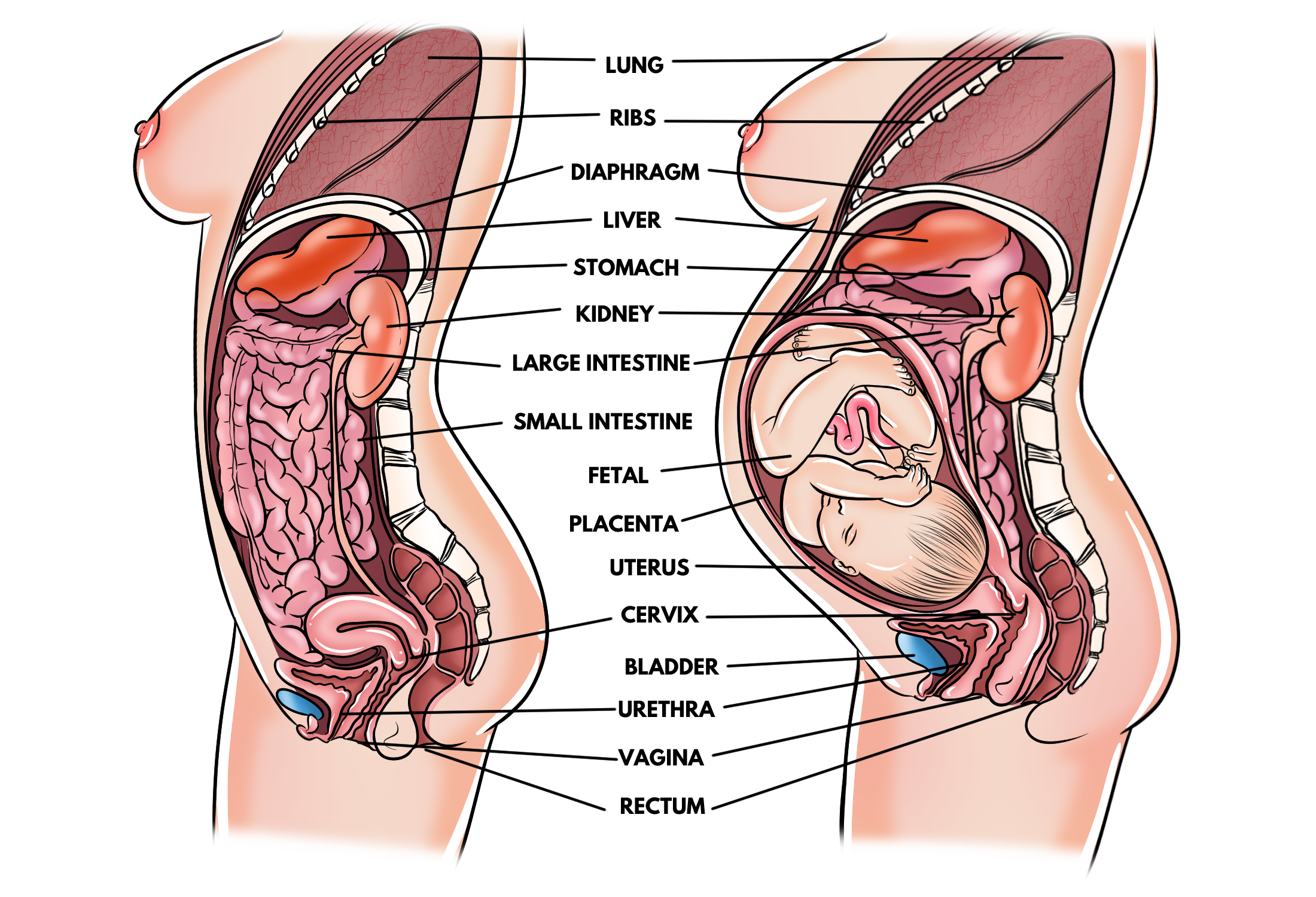
To help you make sense of childbirth, let’s break down the key changes her body went through and how each one might impact her ability to orgasm or squirt. Understanding this will make you a more supportive partner.
Change #1 – Pelvic Floor Stretch & Muscle Weakness
Giving birth stretches her pelvic floor hard. Those muscles run the “orgasm squeeze,” so when they’re weak, everything feels different for a bit.
What Happens
Change #2 – Vaginal Trauma & Scar Tissue
A vaginal birth can leave her with swelling, tears, or stitches. Scar tissue feels stiff, so relaxing into pleasure during the postpartum time takes a minute.
What Happens
Change #3 – Hormonal Drop & Estrogen Crash
Once the baby is born, her estrogen falls hard, especially if she’s breastfeeding. Dryness, tenderness, and low drive show up quick.
What Happens
Change #4 – Nerve Sensitivity Shifts
Childbirth stretches pelvic nerves. Some zones go numb, others go extra sensitive. It’s like her pleasure map got remixed.
What Happens
Change #5 – Bladder & Urethra Position Shifts
Pregnancy and pushing rearrange her insides. The bladder sits differently now, and since squirting fluid comes from the bladder or urethra, the mechanics change too.
What Happens
Change #6 – Blood Flow & Tissue Swelling
After she gives birth, swelling + low estrogen = less sensitivity. It takes a bit for her body to shift from “healing mode” back to “pleasure mode.”
What Happens
All these changes might sound intimidating, but keep in mind: they’re usually temporary, and they vary from woman to woman. The key for you, as her partner, is to understand what’s going on so you don’t panic or misinterpret her responses.
Now that we’ve covered the biology, let’s talk strategy. What you can actually do to help her feel good and get that sexy confidence back.
Andrew’s Expert Tips On How To Approach Squirting After Childbirth
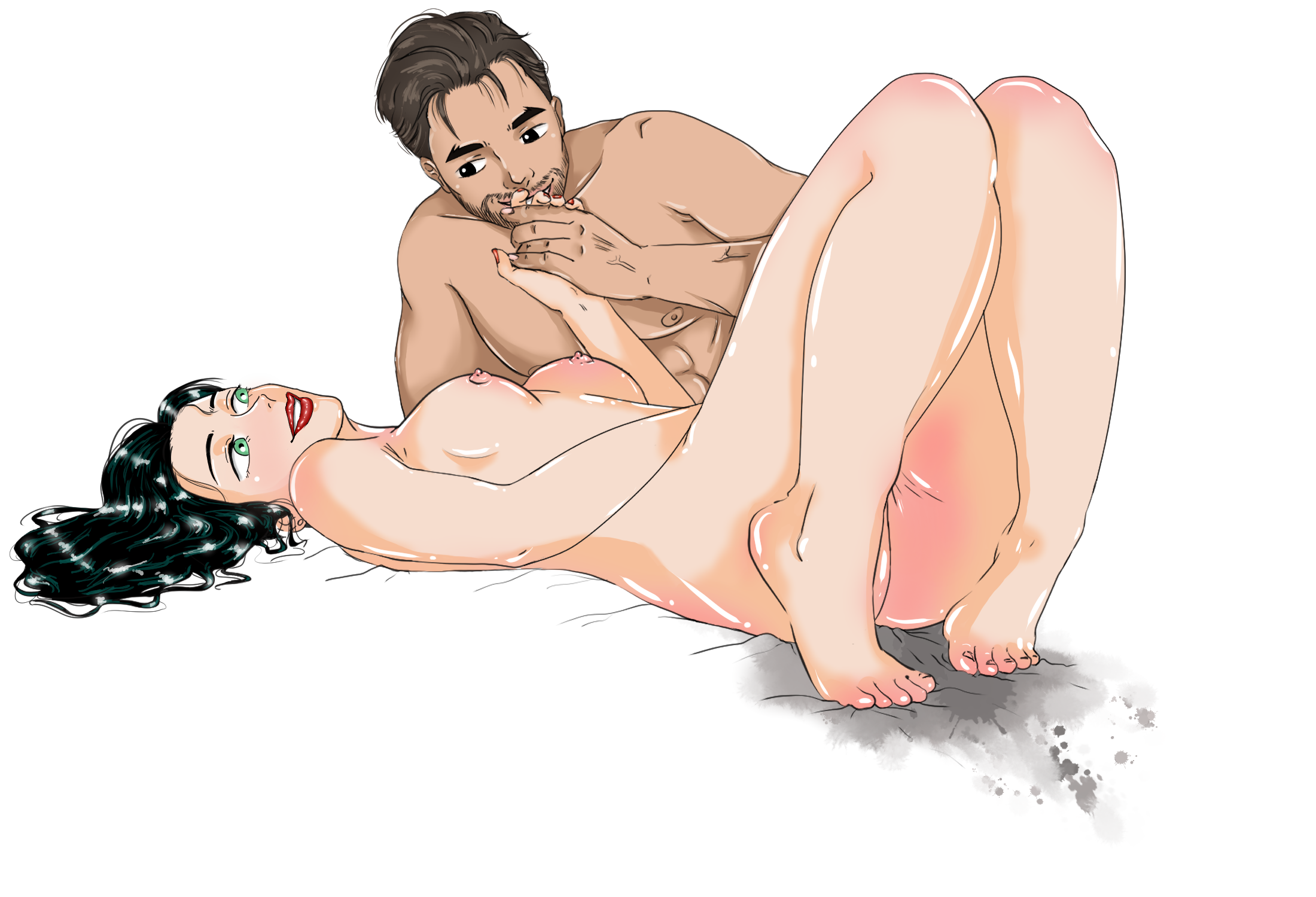
So, squirting after childbirth is possible, but you can’t just barrel in there as if nothing happened. With that in mind, here are my top tips for making postpartum squirting a reality.
Tip #1 – Rebuild The “Pressure Pump” With PFMT
Her pelvic floor runs the whole squirting show. If those muscles took a hit during birth, PFMT (pelvic floor muscle training), aka Kegels, is how you rebuild them. Simple.
Do This
Tip #2 – Add Orgasms To Rehab For Faster Results
Orgasms are literally pelvic-floor workouts. Every time she comes, those muscles fire, which helps her achieve orgasm more easily next time and boosts her sex drive after the baby.
Do This
Tip #3 – Start With Shallow, Targeted G-Area Pressure
Go shallow first. Her vagina is still adjusting, and deep thrusting too early is a terrible idea. Hit the G-area gently and directly, that’s where the magic happens.
Do This
Tip #4 – Extend Warm-Up By 3–5×
After childbirth, her body takes way longer to get turned on. More warm-up = more blood flow = way easier to achieve orgasm and squirt. Think long game, not sprint.
Do This
Tip #5 – Consider Local Estrogen (If Cleared By Her Clinician)
Breastfeeding crashes her estrogen, making her vagina dry, tight, and sometimes painful. A low-dose vaginal estrogen cream can help her tissue plump back up so sex actually feels good again.
Do This
Expect some twists and turns. She might bounce back in the bedroom quickly, or it might be a slow burn. Don’t push, don’t panic, and definitely don’t take a slow start personally. Stay supportive, keep it fun and flirty, and adapt to her feedback.
Now, we’ve talked a lot about technique and body, but let’s not forget the emotional angle. For that, I’m handing the mic to a woman who knows a thing or two about how it feels on the other side.

A Woman's Perspective..
On How To Reframe Squirting After Childbirth As Support, Not Pressure


Postpartum intimacy feels safest when it’s slow, tender, and completely on her timeline, including squirting after childbirth. Here's your cheatsheet.
What She’s Really Afraid Of
She wonders: “Will sex hurt? Will he think I’m too loose? Will I still achieve orgasm? Is he disappointed I’m not squirting yet?” These thoughts run through her mind even if she doesn’t say them, especially with a husband she desperately wants to feel close to.
How You Can Turn Her On Again (Without Touching Her)
Support is foreplay. When she’s not buried under chores, baby duty, or exhaustion from taking care of the kids, her body finally relaxes. A relaxed body can actually feel desire again; that’s how the world opens back up for her.
The Power Of Your Words
Your reassurance melts fear faster than your hands ever could. A simple “We’ll go slow” or “I love your body right now” pulls her out of worry and straight into safety. Safety is what brings her pleasure back.
Why Your Patience Becomes Her Pleasure
The first attempts might end quickly. “Ouch,” “stop,” “not tonight.” If you respond with kindness and no frustration, her trust grows. And trust is the foundation for deep intimacy.
How To Make Her Feel Desired Again
Tell her she’s beautiful now. Stretch marks, softness, everything. Kiss the places she hides. When she feels adored instead of judged, her sex drive comes back stronger than you expect.
The Magic Formula: Safety + Time + Zero Pressure
She’s given you an amazing child; now's your chance to give her the patience, support, and love she deserves. Do that, and I promise, you’ll both find yourselves back to those steamy, pleasure-filled nights (sheets soaked and all) before you know it.
Okay, husband of the year, let’s tackle the questions you’re too scared to ask out loud.
Frequently Asked Questions
Here are quick answers to the questions every husband has about squirting after childbirth, without making anything uncomfortable.
Yes. When she squirts after childbirth, her pelvic floor fires the same orgasmic contractions that help rebuild strength. It’s not a full workout, but it supports recovery and boosts your sex life during postpartum sex. Just don’t push it the first time. If it feels uncomfortable, you’re doing it wrong.
Yes. Shallow-angle positions like cowgirl, spooning, or missionary with a pillow under her hips hit the G-area without deep pressure. These avoid the uncomfortable spots common in postpartum sex and make squirting after childbirth easier to explore for the first time again, without doing anything wrong.
Absolutely. With decreased libido and hormone shifts, her body may respond more slowly at first. Squirting after childbirth may feel softer, stronger, or totally different, especially if breast milk leaks during orgasm. Nothing is wrong. Her body’s just recalibrating.
She’s ready to try squirting after childbirth when her body and energy shift in the right direction. You’ll notice she’s no longer wincing, tensing, or guarding herself during touch, she starts initiating affection or asking for more, and her mind feels relaxed instead of trying to “perform” through postpartum sex. If anything feels uncomfortable, rushed, or wrong, it’s simply not the right moment. Her first time back should feel slow, safe, and pressure-free so your sex life naturally rebuilds instead of taking a hit.
No. Squirting after childbirth doesn’t cause UTIs; bacteria do. Once her doctor clears postpartum sex, squirting is safe. The only “wrong” move is trying before she’s healed or if penetration still feels uncomfortable. Also, breast milk production doesn’t affect UTI risk.
Ready to take your skills to the next level? Join our exclusive online course “Squirting Triggers” and gain in-depth knowledge with expert guidance, easy-to-follow step-by-step explanations, live demonstrations, and two female perspectives. Don’t just read about it – master it! Enroll today and start transforming your life. Get started Now!