

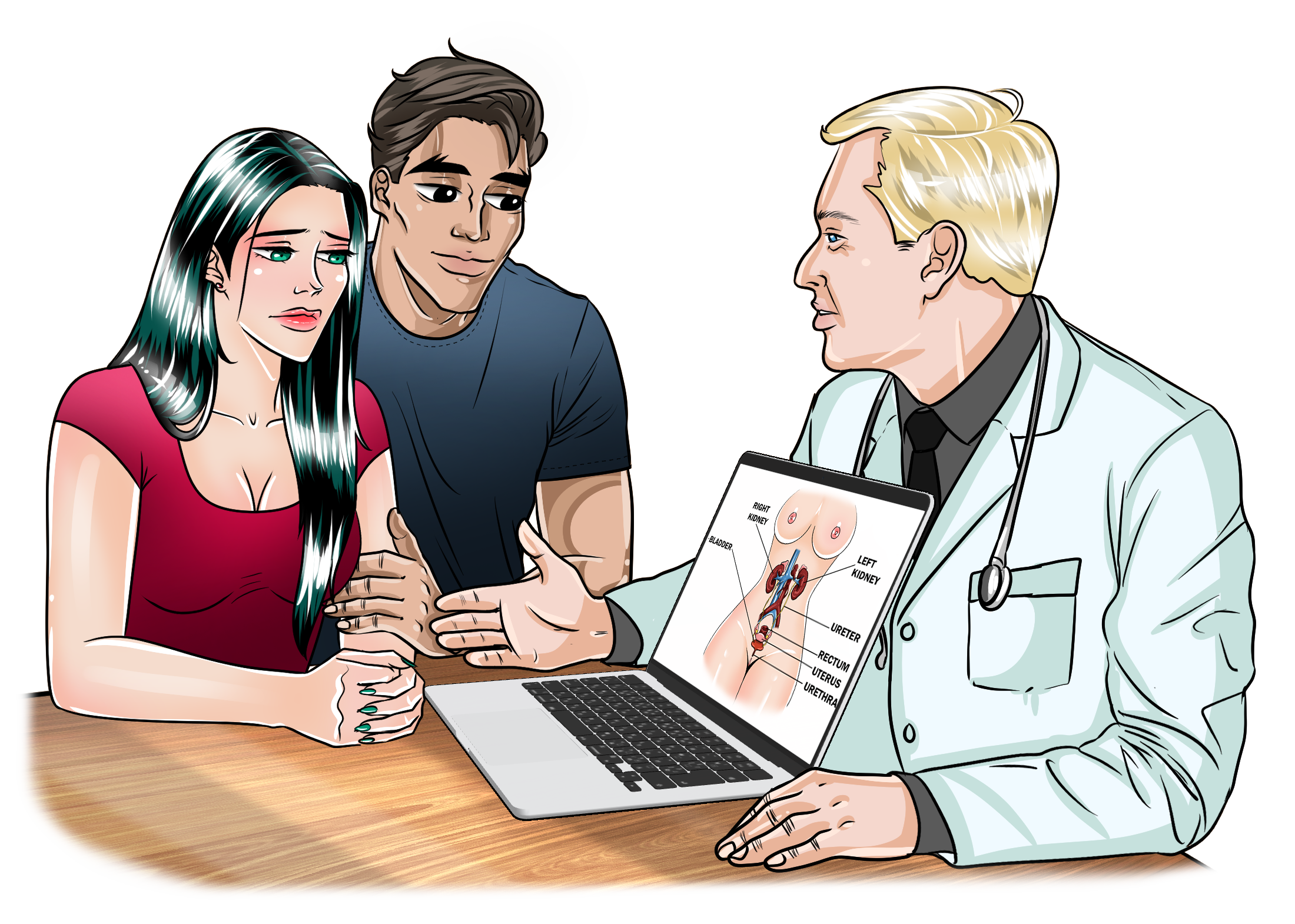

Can squirting cause bladder issues, or what? Short answer: No, it cannot. A 2024 study published in Sexual Medicine found that 58% of women have experienced female ejaculation or squirting, and 0% reported bladder damage or dysfunction as a result. So if you're worried about her health, relax. The science is clear. Keep reading to learn what's normal after she gushes, and how to keep her bladder happy long-term.
In this article, we'll cover:
Can Squirting Cause Bladder Issues? Science Says No

NO, squirting isn’t going to cause bladder problems. From a medical standpoint, squirting (sometimes mixed up with female ejaculation) is considered a normal physiological sexual response, not a pathology. Here’s the proof.
Study #1 – No Evidence Of Bladder Damage
“Nature and Origin of ‘Squirting’ in Female Sexual Response” proved that women’s bladders refill before squirting and empty right after orgasm. So yeah, if you’re still asking, can squirting cause bladder issues? Science says no chance.
Study #2 – Normal Bladder Release During Orgasm
Bro, this study literally filmed squirting happening. In Inoue et al.’s “Observation of Female Ejaculation and Squirting Using Indigo Carmine Dye”, researchers dyed women’s bladder fluid blue and filmed them squirting. Every single woman released blue fluid through the urethra, proving it came straight from the bladder. Clear evidence that squirting is a normal, healthy sexual response, not female urinary incontinence or a bladder issue.
Study #3 – Common & Physiological, Not Pathological
In Påfs et al.’s 2024 study, “Women’s Experiences of Female Ejaculation and/or Squirting,” over 1,500 women were surveyed, showing that 58% had experienced squirting or female ejaculation at least once. Proving it’s not rare, just rarely talked about. No link to female urinary incontinence or bladder dysfunction was found, just natural, healthy anatomy doing its thing.
Study #4 – No Increase In Urinary Tract Infections
People hear “urine” and instantly think “infection.” But “Female Ejaculation and Coital Incontinence: A Systematic Review” (J Sex Med), Pastor et al. (2013) broke that myth wide open. The researchers found that squirting fluid is sterile, basically diluted, and changed urine with traces of PSA from the female prostate. Instead of causing UTIs, squirting actually helps prevent them. Why? That strong expulsion during orgasm acts like a natural rinse, flushing out the urethra better than shower sex ever could.
Study #5 – No Evidence Of Pelvic Floor Weakness
In "Coital Incontinence: A Multicentre Study Evaluating Prevalence and Associations", researchers dug deep into why women experience coital incontinence and found it’s tied to stress urinary incontinence (SUI) and overactive bladder, not female ejaculation orgasms or squirting. The study, based on subjective questionnaire research and clinical exams, showed that when penetration incontinence occurs, it represents pathophysiologically distinct phenomena, medical, not sexual. Translation? Squirting and female ejaculation are associated with physiological sexual responses, not symptoms of weakness or dysfunction.
Study #6 – Consider Pelvic Floor Training Only If She Has Unwanted Leaks
In Çetinkaya et al.’s 2023 study entitled “Coital Incontinence and Pelvic Floor Dysfunction in Women”, researchers found that coital incontinence isn’t caused by squirting or female ejaculation. It’s a pathological sign caused by weak pelvic support, not orgasm. The fix? Reverse kegel exercises and pelvic floor training are proven ways to strengthen muscles, reduce leaks, and boost pleasure.
Squirting does not cause bladder issues. Modern sexual medicine research and urologic studies all conclude that squirting (and female ejaculation) are normal, natural parts of female sexuality, and they do not damage the bladder, do not cause incontinence, and do not lead to infections. So you can relax.
Alright, the science says her bladder’s in the clear. Now let’s get practical: what sort of after-effects can happen post-squirting, and how do you tell what’s normal versus a problem?
Squirting & The Bladder (What’s Normal & What’s Not)
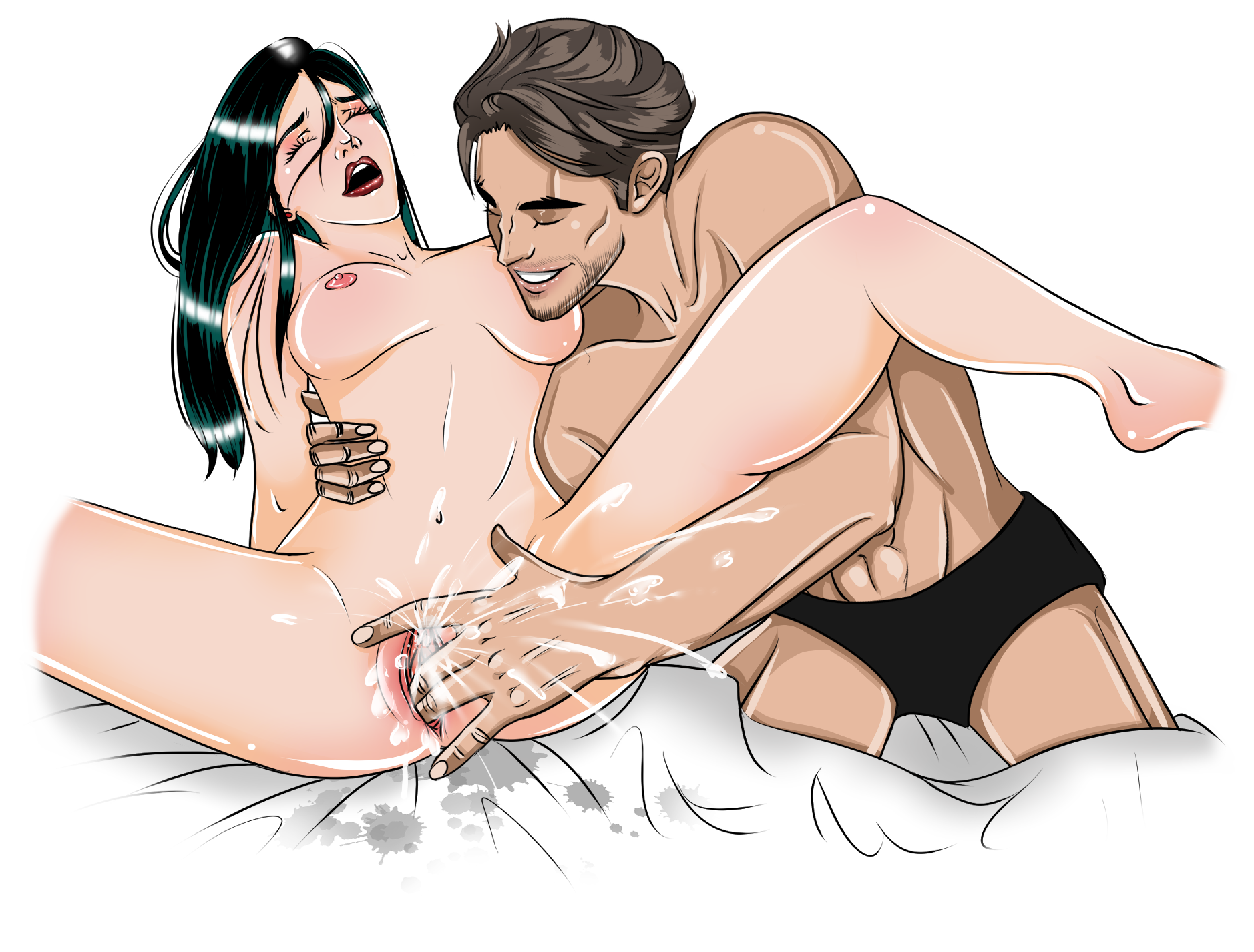
So you’ve made her squirt, and it was glorious…but afterwards, she mentions she feels like she still needs to pee, or maybe there’s a bit of a tingle down there. Should you be concerned? Here’s the breakdown of what’s normal, what’s not, and when it’s just her bladder saying, “Thanks for the workout.”
Normal Bladder Reactions After Squirting
After she squirts, she might feel like she still has to pee or notice a little pressure. Totally normal, man. These are just associated physiological sexual responses, not signs of orgasmic incontinence or bladder issues.
What’s Going On
Abnormal Bladder Activities After Squirting
Alright, here’s the stuff that isn’t normal. These aren’t caused by squirting itself but can show up during or after sex and deserve attention.
What To Watch Out For
Squirting = normal physiological response; Painful or uncontrolled pee leakage = possible pathology. Keep that distinction clear, and you’ll know when to just go with the flow and when to say, “hey, maybe we should talk to a doctor, just to be safe.”
Alright, now that we’ve sorted out what’s normal and not, how about some tips to ensure her bladder stays happy and healthy while you two explore the wonderful world of squirting? Coming right up!
Andrew’s Expert Tips To Keep Her Bladder Healthy While She Squirts
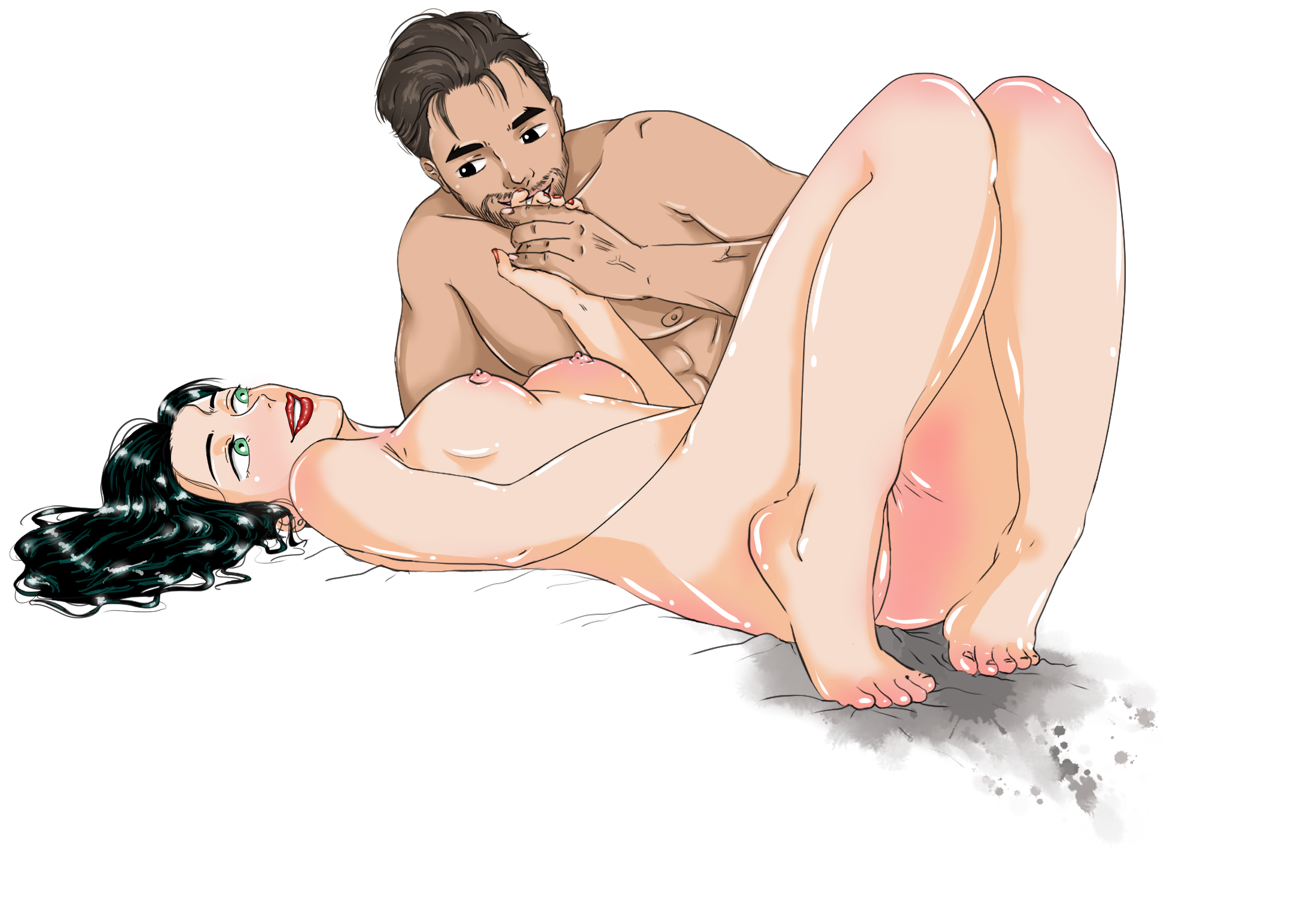
You want the best of both worlds: mind-blowing squirting orgasms and a healthy bladder for her. Good news! It’s totally doable. As a guy who’s all about combining pleasure with care, I’ve got some practical tips to help you and your partner enjoy squirting while keeping any bladder or pelvic floor issues at bay.
Tip #1 – Ask Her To Empty Her Bladder Before Play (Double Voiding)
A full bladder kills the mood and the mystery. Have her pee before play. Then wait 30 seconds and try again (that’s “double voiding”). It empties things out so when the fun starts, there’s no pressure…just mmm, ahh, f*ck-yeah kinda pleasure.
Here's Why
Tip #2 – Keep Her Hydrated (But Not Overfull) Before Sex
Hydration’s a fine line, my man. Too little and her bladder burns; too much and she’s sprinting mid-thrust. The goal? Keep her sipping through the day, not chugging right before sexual intercourse. That balance keeps things smooth, comfy, and confidently wet, where it matters.
Here's Why
Tip #3 – Cut Back On Coffee, Booze & Fizzy Drinks Beforehand
What she drinks before sex can make or break the mood. Some drinks keep her relaxed, others make her bladder freak out.
Here's Why
Tip #4 – Remind Her To Relax & Fully Empty When She Pees
It's not just after sex or squirting, what she does in the bathroom every day matters more than she thinks. A relaxed, complete pee keeps her bladder happy and infection-free.
Here's Why
Tip #5 – Watch For Red Flags Like Pain, Blood, Or Burning
Squirting isn’t dangerous, but if she ever feels pain, burning, or sees blood, that’s not normal. Be the guy who notices and helps, not the guy who ignores it.
Here's Why
By following these tips, you’re setting the stage for a worry-free, pleasurable experience. You’ll help keep her pelvic floor health in top shape while enjoying all the splashy fun of squirting. Win-win, right? Now, to round things out, let’s hit some frequently asked questions you might still have.
Frequently Asked Questions
Let’s address some of the burning (no pun intended) questions guys often have about squirting and bladder health.
No! Squirting isn’t the same as leaking urine. It’s a normal release during female orgasm, not a loss of bladder control. Coital incontinence (CI), actual pee leakage during sexual activity, usually comes from stress or urgency incontinence, where weak pelvic floor muscles can’t handle pressure. Regular Kegel exercises strengthen those muscles and reduce unwanted leaks, keeping her sex life confident and relaxed.
Not at all. Squirting fluid is clean, sterile, and harmless, mostly diluted urine mixed with secretions from the female prostate. It doesn’t cause infections or hygiene issues. In fact, the forceful expulsion during sexual stimulation may help flush bacteria from the urethra. Basic hygiene, like peeing after sex, is enough to keep her bladder healthy.
No! The bladder doesn’t “wear out” from squirting. Studies (like those mentioned above) show no link between frequent squirting and bladder weakness or long-term damage. True urgency incontinence or coital incontinence stems from medical issues like pelvic floor dysfunction, not female ejaculation or squirting. Strong pelvic muscles, regular Kegel training, and positions that apply less pressure during sex help maintain balance and control.
No! Squirting doesn’t affect how often she pees day-to-day. After a powerful female orgasm, her bladder simply empties naturally, so she may not need to urinate right away. Any temporary urge afterward is just the body’s reflex to stimulation, not a bladder problem. Distinguishing normal post-orgasm sensations from true urgency helps avoid confusion.
Absolutely not. Squirting is a normal physiological response during sexual stimulation, not a symptom of disease. Medical studies with a reported high prevalence of squirting show it’s part of healthy female sexual function. Unless she experiences ongoing pain, burning, or leakage outside of sex, her bladder is fine. Learning the expulsion mechanisms and understanding what’s normal builds an in-depth appreciation for how her body works. No shame, no panic, just better pleasure.
Ready to take your skills to the next level? Join our exclusive online course “Squirting Triggers” and gain in-depth knowledge with expert guidance, easy-to-follow step-by-step explanations, live demonstrations, and two female perspectives. Don’t just read about it – master it! Enroll today and start transforming your life. Get started Now!