

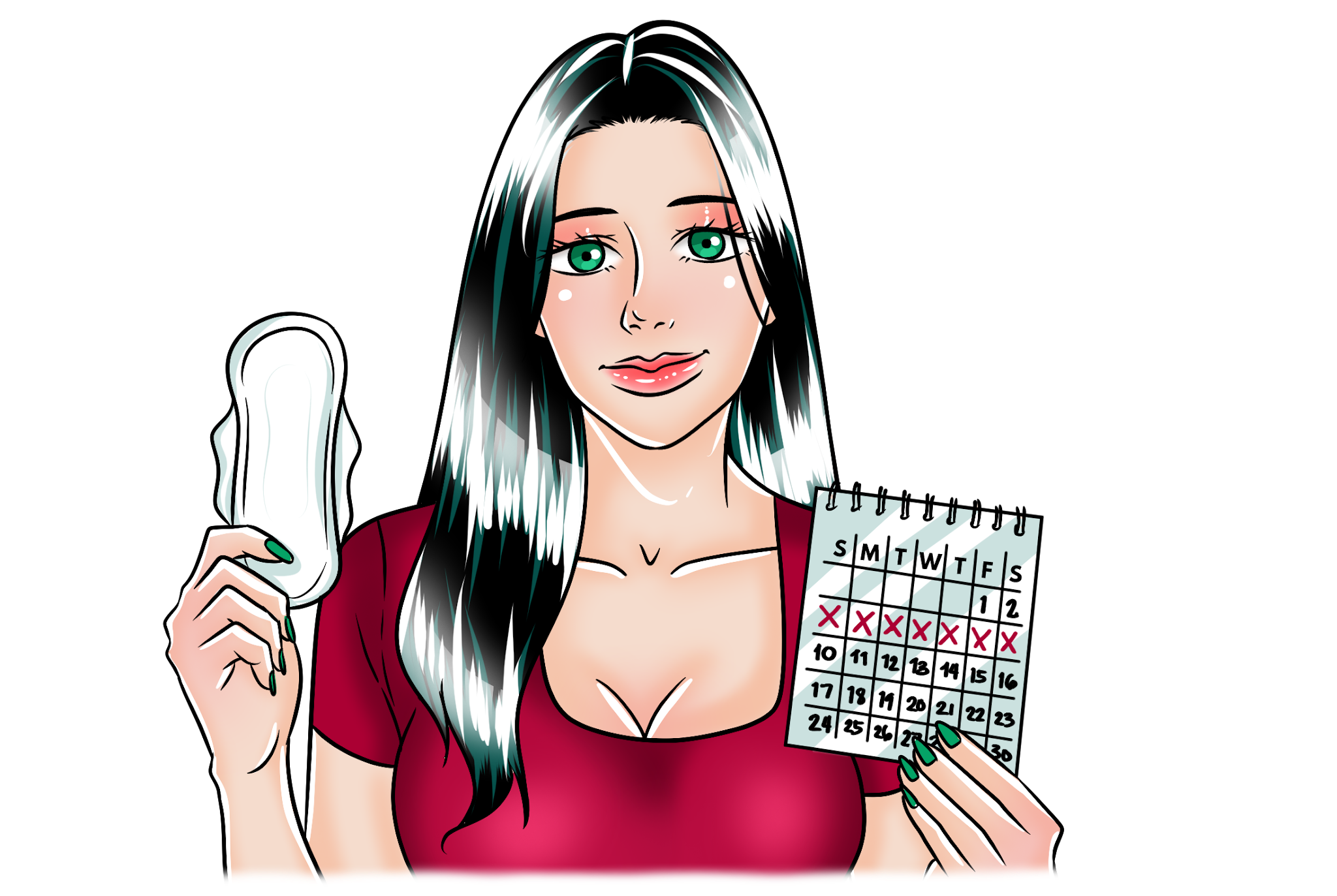

Can sex delay your period? No, not by itself, but pregnancy, stress, hormones, and emergency contraception definitely can. In fact, around 14% to 25% of women deal with irregular cycles, so you’re far from the only one staring at the calendar and wondering what’s going on. Keep reading, because I’ll help you figure out delayed periods.
In this article, we'll cover:
Can Sex Delay Your Period?
Fact #1 - No, Because Your Hormones Are Running The Show
The medical review “Physiology, Menstrual Cycle” explains that estrogen, progesterone, and signals from your brain control ovulation and menstruation. So, no, sex cannot just hit pause on your menstrual cycle or choose when your period starts.
Fact #2 - No, Because More Sex Does Not Mean A Later Period
In “Exposure To Men Influences The Occurrence Of Ovulation In Women,” researchers found that how often women had sex was not linked to cycle length. Basically, having more sex did not make their periods show up late.
Fact #3 - No, Because Sex Does Not Stop Ovulation
The study “Sexual Activity, Endogenous Reproductive Hormones And Ovulation In Premenopausal Women” found that sex frequency was not linked to missed ovulation. So, having sex does not normally stop your ovary from releasing an egg or make you miss a period.
Fact #4 - No, Because Sex Changes Pregnancy Risk, Not Your Period Clock
The study “Timing Of Sexual Intercourse In Relation To Ovulation” found that pregnancy can happen when unprotected sex falls within the fertile window. So, when your period is late after sex, pregnancy is the thing to check, not whether sex somehow delayed menstruation.
Fact #5 - No, Because A Delayed Cycle Does Not Prove Sex Caused It
In “Characteristics Of Menstrual Cycles With Or Without Intercourse,” cycles with sex were slightly longer, but researchers did not prove sex caused the change. We cannot blame sex just because both happened together.
What Are Common Reasons For A Late Period?
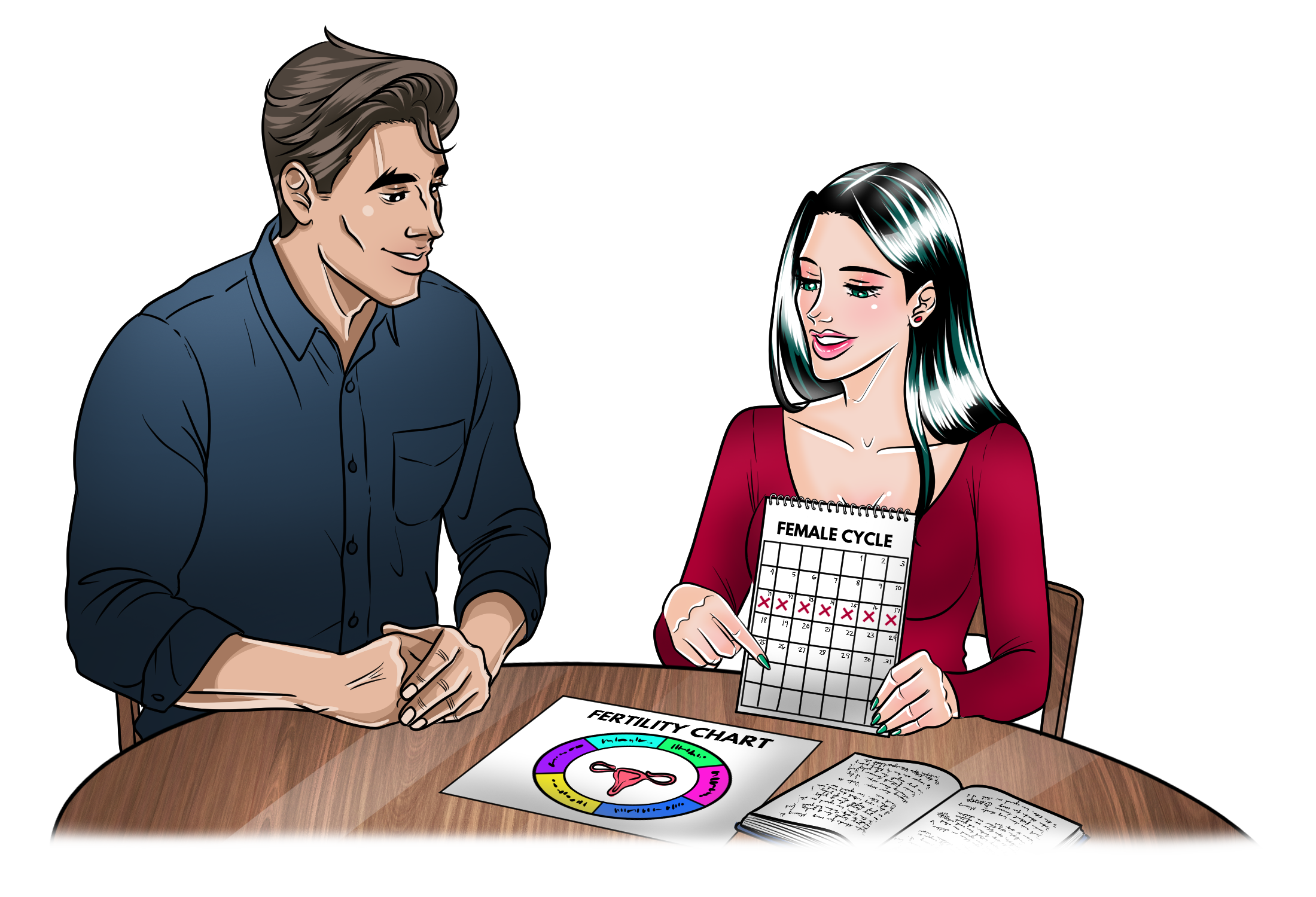
Reason #1 - Pregnancy Happened
Reason #2 - Pregnancy Fear Sent Your Stress Through The Roof
Reason #3 - You Took Emergency Contraception
Reason #4 - You Started, Stopped, Missed, Or Changed Birth Control
Hormonal birth control changes estrogen and progesterone, ovulation, and the lining inside your uterus. Starting, missing, or stopping birth control methods can cause spotting, irregular periods, or no bleeding at all.
Reason #5 - You Mistook Bleeding After Sex Or Early Pregnancy Spotting For A Period
Dryness, friction, small tears, cervical irritation, infections, or polyps can cause spotting. That bleeding may not be your real period, as a true period is usually heavier. So counting it as day one can throw off your whole cycle.
Reason #6 - You Are Not Eating Enough Or Lost Weight Quickly
Your body needs enough food and energy to keep reproductive hormone levels steady. Fast weight loss, strict dieting, or under-eating can prevent ovulation and cause late or absent periods.
Reason #7 - Your Exercise Level Jumped Too Fast
Exercise is healthy, but hard training can affect your menstrual cycle. Your body may delay ovulation or make periods stop altogether when it feels under too much physical stress.
Reason #8 - You Have Polycystic Ovary Syndrome (PCOS)
Polycystic ovary syndrome can make ovulation happen less often, which leads to long, irregular menstrual cycles. Acne, extra facial hair, scalp hair thinning, weight changes, and late or missed periods can also show up.
Reason #9 - Your Thyroid Is Out Of Balance
Your thyroid helps regulate the menstrual cycle, so too much or too little thyroid hormone can affect the timing. Fatigue, weight changes, hair changes, feeling too hot or cold, and irregular periods are signs worth checking.
Reason #10 - Your Prolactin Levels Are High
High prolactin can block the brain signals needed for ovulation, which may lead to amenorrhea or missed periods. Milky nipple discharge, headaches, vision changes, dryness, or low desire are reasons to speak with a healthcare provider.
Reason #11 - You Are Breastfeeding Or Recently Gave Birth
Breastfeeding raises prolactin, too, which can delay ovulation and cause irregular or absent periods. Just remember, you can ovulate before getting your period again, so pregnancy is still possible.
Reason #12 - You Have Been Ill Or Your Body Is Recovering
Fever, surgery, infection, or long-term medical conditions can also affect menstruation. Your body sometimes puts ovulation on pause while it focuses on healing and getting you well again.
Reason #13 - Your Sleep Schedule Is All Over The Place
Poor sleep, night shifts, jet lag, and changing schedules can influence your menstrual cycle and hormone levels. One late night will not ruin your cycle, but ongoing sleep loss may make periods irregular.
Reason #14 - You Are Entering Perimenopause
During perimenopause, estrogen levels rise and fall more sharply, so ovulation becomes less predictable. Your period may be late, early, heavier, lighter, or completely absent for a month.
Reason #15 - A Medication Is Affecting Your Cycle
Some antidepressants, antipsychotics, seizure medicines, steroids, chemotherapy, and hormone treatments can affect your period. Do not stop medication on your own. It’s a good idea to ask your healthcare provider whether it can change your cycle.
Reason #16 - Another Hormonal Or Ovarian Condition Is Involved
Hormonal imbalance, primary ovarian insufficiency, and other ovarian or medical conditions can cause late or missed periods.
Your cycle is giving you information, so pay attention to the pattern instead of brushing it off. If your periods stop, keep changing, or become a cause for concern, please get checked instead of guessing. So, when should you take a pregnancy test, and when does a late period need a doctor?
When Should You Take A Pregnancy Test Or See A Doctor?

If you have missed your period, here’s exactly when to test, when to book an appointment, and when not to wait.
When To Take A Pregnancy Test
Here’s when to take a pregnancy test based on whether your periods are regular or irregular.
If Your Periods Are Regular
If Your Periods Are Irregular
When To See A Healthcare Provider
Here’s when a late period stops being a “wait and see” situation and deserves a proper medical check.
Book An Appointment If
When To Get Urgent Medical Help
These warning signs need urgent medical care, not more waiting at home.
Urgent Warning Signs
When your period is late, test at the right time, trust the warning signs, and do not talk yourself out of getting help. Now, let’s clear up the late-period myths that keep women confused, worried, and blaming the wrong thing.
Isabel’s Expert Take On Late-Period Myths
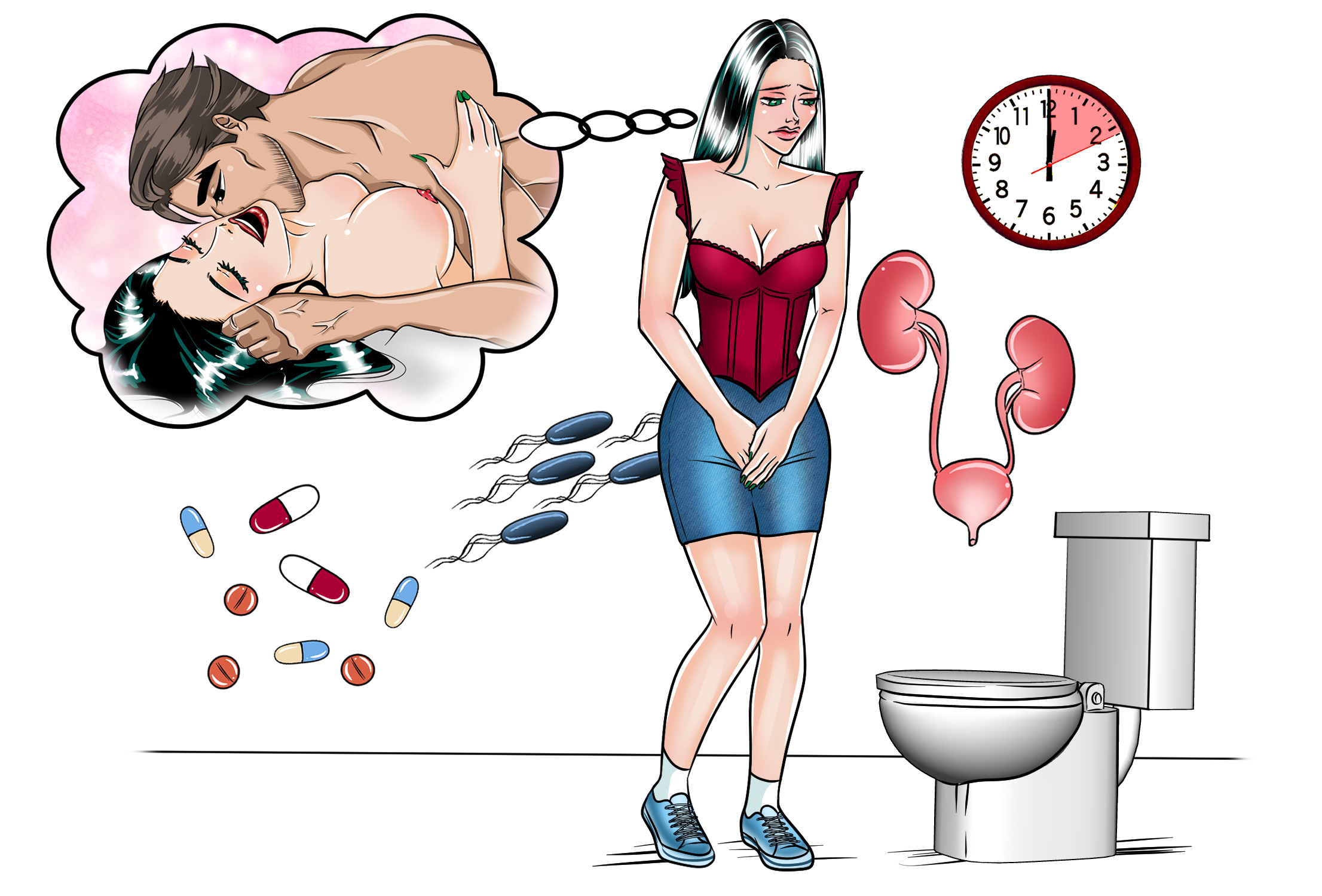
Let’s clear up the myths that keep women worrying, because your body deserves facts, not panic.
Myth #1 - “A Condom Means Pregnancy Is Impossible”
Condoms lower pregnancy risk, but they can break, slip, leak, or be put on too late. If your period is late after a condom problem, take a pregnancy test.
Myth #2 - “Withdrawal Means There Is No Pregnancy Risk”
Withdrawal lowers the chance of pregnancy, but it does not remove the risk. So yes, you can still become pregnant even when he pulls out.
Myth #3 - “She Bled, So She Cannot Be Pregnant”
Light bleeding can happen in early pregnancy, so bleeding does not always mean you’re not pregnant. Only a pregnancy test taken at the right time can give you a useful answer.
Myth #4 - “Period Apps Know Exactly When She Ovulates”
Period apps make guesses from your old cycle dates, but they cannot see when ovulation happens. Stress, weight fluctuations, and hormonal shifts can change your cycle from month to month.
Myth #5 - “A Negative Pregnancy Test Means Nothing Is Wrong”
A well-timed negative test makes pregnancy less likely, but it does not explain every period delay. PCOS, thyroid problems, medication, low food intake, and other changes in your menstrual cycle still matter.
The more you understand your cycle, the less power these myths have to scare you. But if you still have questions, let’s answer them so you can stop overthinking once and for all.
Frequently Asked Questions
Here are some common questions women ask when they’re wondering whether sex can delay your period.
Does sex before a period delay it?
Can first-time sex delay a period?
Can rough or frequent sex delay a period?
Can orgasm bring on a period?
Can semen delay period?
Can sex make a period come early?
Can periods completely stop after sex?
Is it normal for my period to change after I start having regular sex?
Ready to take your skills to the next level? Join our exclusive online course “Squirting Triggers” and gain in-depth knowledge with expert guidance, easy-to-follow step-by-step explanations, live demonstrations, and two female perspectives. Don’t just read about it – master it! Enroll today and start transforming your life. Get started Now!