

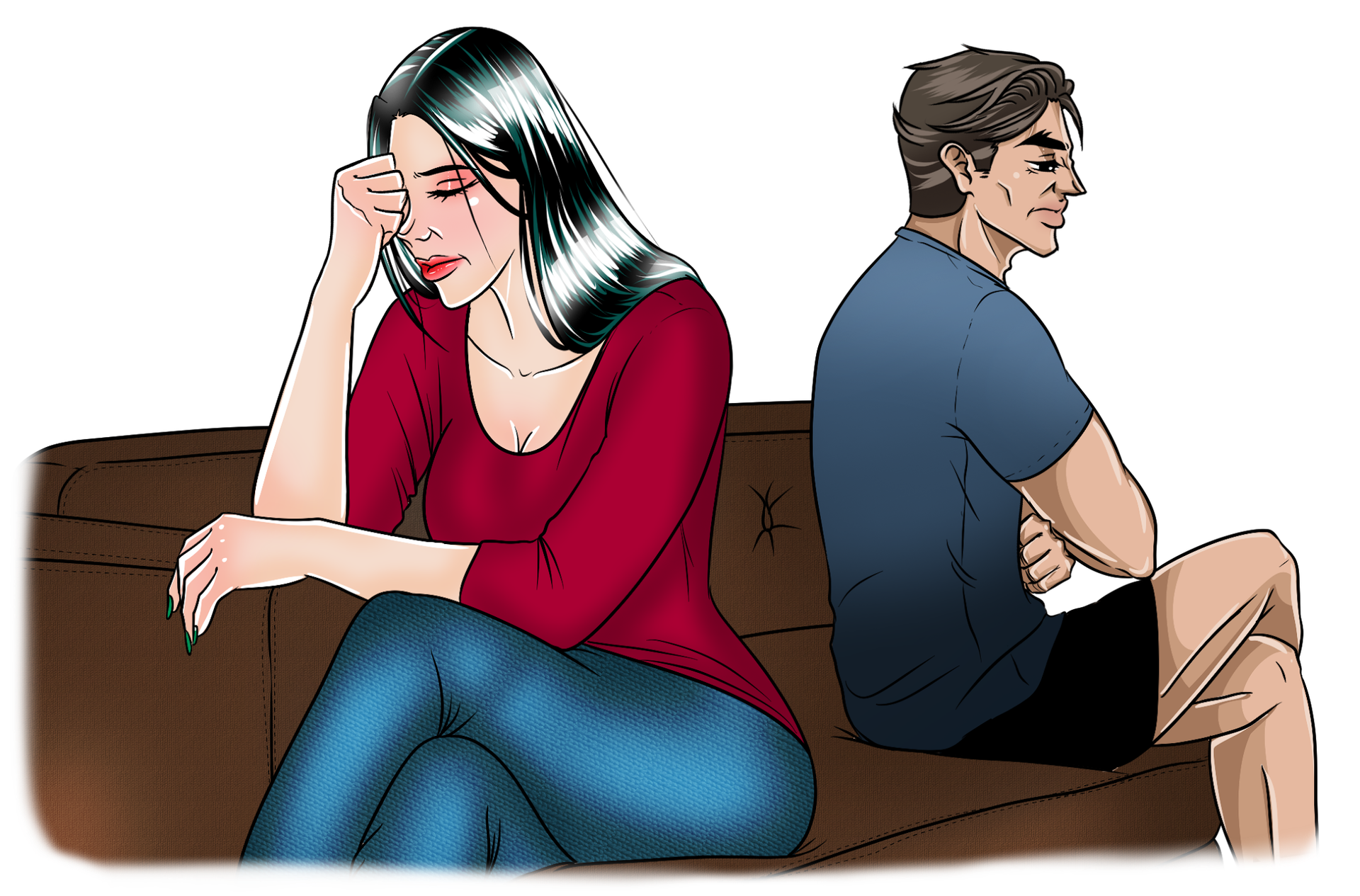

Menopause does not make women “stop wanting sex” in any simple, universal way. Instead, it changes the conditions that make sex feel possible, wanted, and rewarding. More than 3 in 4 midlife women still say sex matters, even when menopause disrupts desire and intimacy. So before you assume she no longer wants you, keep reading. The real problem is often fixable.
In this article, we'll cover:
How Menopause Changes Sex Drive & Sexual Comfort
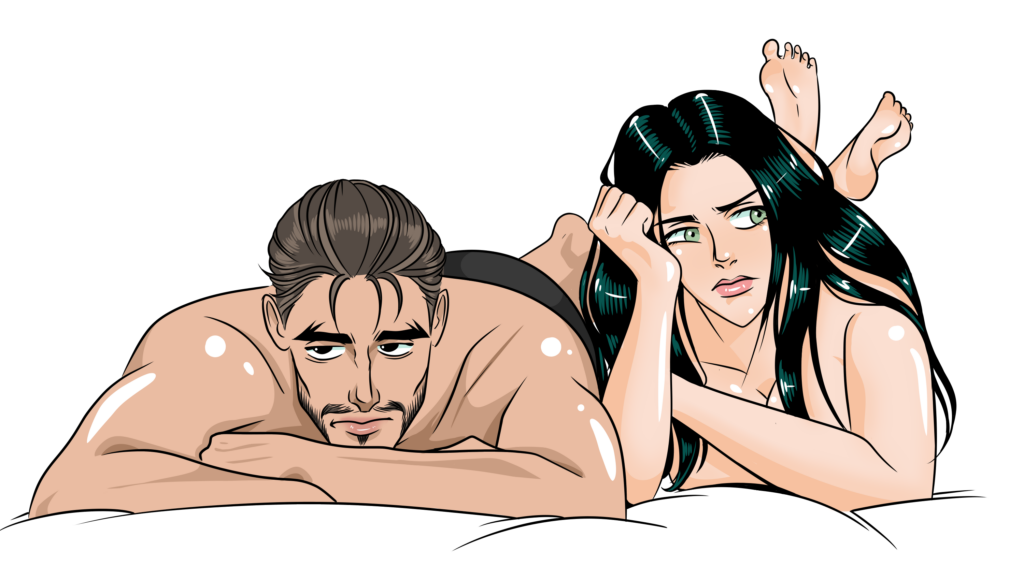
Your wife is not rejecting you, brother. Her hormones are rewriting the rules of her body. Here is what changes and why.
But First, FYI: Menopause Does Not Affect Every Woman The Same Way
Change #1 – Estrogen Drops & So Does Comfort
When estrogen falls, the vulva, vagina, and bladder lose support. That means less lubrication, thinner tissue, and friction that feels sharp instead of pleasurable. This condition, called genitourinary syndrome of menopause (GSM), affects roughly 50% to 70% of postmenopausal women and usually worsens without treatment.
Change #2 – Pain Rewires Her Brain To Avoid Sex
If penetration burns or even arousal causes irritation, her brain starts tagging sex as "costly." That kills anticipation, spontaneity, and her willingness to initiate. Dyspareunia, dryness, and urinary symptoms all chip away at desire.
Change #3 – Testosterone Drops & So Does Desire
Androgen levels decline with age, and this affects sexual desire in many women. Lower testosterone can reduce interest in sex, but it is not the only factor. Relationship quality, emotional connection, and physical comfort all play a role.
Change #4 – Progesterone Falls, But Its Role Is Less Direct
Progesterone drops as ovulation becomes irregular, but its sexual role is indirect. The main impact comes from how the hormone shifts affect sleep, mood, and overall comfort rather than directly boosting or killing desire.
Change #5 – Hot Flashes, Night Sweats, & Sleep Disruption Kill Libido
Hot flashes and night sweats make bedtime miserable. A 2023 meta-analysis found sleep disorders in postmenopausal women at 51.6%. Poor sleep reduces energy, worsens pain, and kills desire. If she is exhausted and bracing for pain, low desire is logical, not mysterious.
Change #6 – Mood Swings Make Everything Harder
A 2024 meta-analysis found perimenopausal women had a roughly 40% higher risk of depression. Stress, depression, and anxiety are major contributors to sexual dysfunction at menopause. When she is emotionally drained, her body will not respond sexually.
Menopause is not her fault, brother. It is a biological shift that changes how her body experiences sex. Your job is not to fix it. Your job is to understand it, support her, and stop taking her changing body personally.
So if menopause changes everything, how does it quietly turn a marriage sexless without either of you even noticing?
How Menopause Can Turn Into A Sexless Marriage
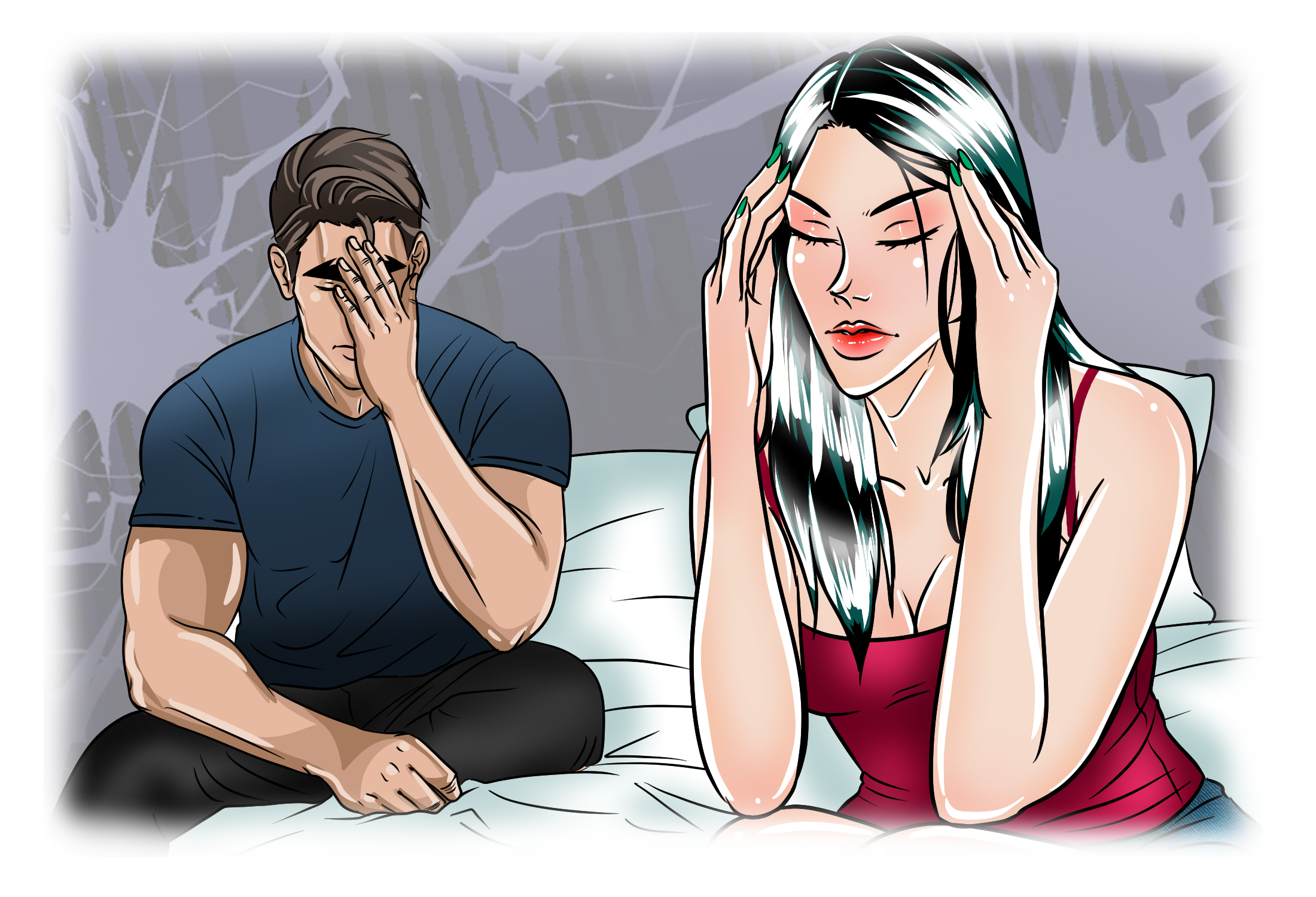
Menopause does not kill marriage. Silence, avoidance, and misunderstanding do. Here is how the shift happens.
Shift #1 – Sex Becomes Uncomfortable & She Stops Initiating
When sex starts to hurt or feel uncomfortable, she stops reaching for it. That is not rejection. That is self-preservation. And when she stops initiating, the gap between you starts growing before either of you notices.
Shift #2 – The Conversation About Sex Goes Dead
Every conversation about intimacy feels loaded, so you both stop talking. She avoids bringing it up because she does not want to disappoint you. You avoid bringing it up because you do not want to pressure her. Silence becomes the new normal.
Shift #3 – You Take Her Withdrawal Personally
When she pulls back, your brain reads it as rejection. You start wondering if she still finds you attractive. That insecurity shows up as pressure, which makes her pull back even more. The cycle feeds itself.
Shift #4 – Long Dry Spells Make Sex Feel Like A Big Deal
The longer you go without sex, the more weight it carries. What used to be natural now feels like a performance. She feels pressure. You feel frustrated. Both of you feel awkward about starting again.
Shift #5 – Body Image Changes Quietly Killing Her Receptivity
Menopause brings weight redistribution, breast changes, skin changes, and pelvic floor shifts. She may not feel attractive anymore. That is not vanity. That is a direct line to low desire. When she does not feel good in her body, she does not want to be seen.
Shift #6 – Partner Reactions Make Or Break The Restart
If you respond with impatience or self-pity, you make restart harder. If you respond with curiosity, patience, and non defensive communication, you make restart much more likely. Your reaction is the variable you actually control.
Shift #7 – Underdiagnosis Keeps The Problem Invisible
Many women never seek help for menopause symptoms. In one survey, 50% of postmenopausal women with genitourinary symptoms had never used any therapy. Some sexless marriages are not evidence of lost love. They are simply untreated symptoms plus silence.
Menopause does not have to mean the end of your sex life, brother. But it will if you let silence, avoidance, and misunderstanding take over. The shift happens slowly, but you can stop it by staying curious, staying patient, and staying in the conversation.
Now that you know how menopause can turn into a sexless marriage, what can you actually do about it?
Andrew's Expert Tips On Managing Menopause And Sexless Marriage

You cannot fix her hormones with a speech. Here is how to actually help her feel comfortable, connected, and open to intimacy again.
Tip #1 – Treat Pain Before You Treat Desire
If sex hurts, telling her to "want it more" will make things worse, not better. Address the physical discomfort first, then let desire follow naturally. Persistent vaginal dryness, burning, bleeding, or urinary symptoms need professional care, especially when they interfere with sexual intimacy or daily life.
Tip #2 – Use Lubricant Every Time
A good lubricant improves comfort during sex and prevents friction from making dryness and pain during intercourse even worse.
Tip #3 – Use A Vaginal Moisturizer Regularly
Lubricant helps during sexual activities, while a moisturizer or vaginal moisturizers improve dryness between encounters and support better sexual health.
Tip #4 – Ask About Topical Estrogen
When lowered estrogen and testosterone cause thinning and drying, ask a women’s health professional whether topical estrogen or vaginal hormone therapy fits her needs.
Tip #5 – Fix The Symptoms Wrecking Her Sleep & Support Her Health
Hot flashes, night sweats, and other menopausal symptoms drain energy, so addressing these symptoms of menopause can make intimacy after menopause easier. Regular exercise, less smoking, and careful alcohol use can support health during menopause and improve her sleep and sex life.
Tip #6 – Understand Responsive Desire
A hormonal drop during perimenopause and menopause can affect sex drive, but many women feel desire only after safety, closeness, foreplay, and touch begin. Slow foreplay and gentle affection help her nervous system relax, making intimacy and sexual contact feel inviting instead of demanding.
Tip #7 – Stop Making Penetration The Whole Goal
Drop the performance and focus on presence. Massage, oral, manual touch, and other forms of intimacy can create pleasurable physical intimacy between partners while her body heals. A satisfying sex life grows from trust, comfort, and communication, not from chasing intercourse, performance, or orgasm every time.
Tip #8 – Use Clear Words With Each Other
Open and honest communication means telling your partner what hurts, what helps, and what pace makes sex with your partner feel safe. Menopause and perimenopause do not erase sexuality; menopausal women can still be sexually active and build a satisfying sexual relationship.
Tip #9 – Check For Persistent Low Desire
If desire stays low after treating pain and sleep, consult with your healthcare provider about hormone levels, HSDD, and estrogen and testosterone levels.
Tip #10 – Skip Random Libido Boosters
Do not buy unregulated products or accept casual testosterone treatment; get medical advice based on her full experience of menopause and medical conditions.
Tip #11 – Consider Pelvic Floor Therapy
If penetration causes guarding or burning, pelvic floor therapy can reduce tension, improve blood flow, and support a more satisfying sex life.
Tip #12 – Take Body Image Seriously
Women may experience difficulties feeling attractive during perimenopause and menopause, and that insecurity can damage intimacy and sexual confidence.
Tip #13 – Review Her Medications
Some antidepressants and other medicines affect arousal, orgasm, and desire, so medication review is one of the practical steps you can take.
Tip #14 – Get Professional Help Before Resentment Takes Over
A sex therapist or sex therapy can help you find solutions when sexual and intimacy issues keep damaging your relationship during menopause.
Tip #15 – Try Different Positions
Experiment with different positions or new sexual positions that reduce pressure, give her more control, and make sex after menopause more comfortable.
Tip #16 – Keep Talking As Her Body Changes
Communicate with your partner because menopausal changes may vary over time; her needs can shift as hormone levels, pain, and energy change. Lowered estrogen and testosterone can reduce lubrication, change tissue strength, and affect sexual comfort, so navigating menopause requires patience and facts.
Menopause is a transition, and like any transition, it requires patience, understanding, and a willingness to adapt. The tips above are your roadmap. Now go use them.
But before that, let’s hear what she wishes you understood before you turn this roadmap into a rescue mission.

A Woman's Perspective..
On What She Wishes You Understood About Menopause & Intimacy


Menopause can make her feel disconnected from a body she once trusted. These are the things she often struggles to explain.
She Still Wants You Even When She Avoids Sex
Avoidance does not always mean rejection. She may be protecting herself from vaginal dryness and pain, pressure, or disappointment. Stop taking it personally and ask what would make sex and intimacy feel easier right now.
Her Body May Need More Time To Respond
Desire can still be there, but arousal may take longer. Rushing her only makes her body shut down faster. Slow everything down and give her body time to catch up with her mind. Show her you care, spend quality time together, and use calm communication with your partner because pressure makes sex less enjoyable.
She Does Not Want To Feel Broken
Menopause already changes how she sees herself. Treating her like a problem adds shame to an already difficult experience. Remind her she is not broken, and never reduce her to a body that needs fixing.
She Needs Affection That Does Not Always Lead To Sex
Intimacy during menopause includes affection, touch, laughter, erotic play, and sexual intimacy, not only intercourse or whether you have sex less often. Kissing, cuddling, massage, and closeness help rebuild safety when they come without hidden expectations. Give her affection with no agenda, then let closeness stand on its own.
She Needs You To Believe Her Pain
When she says sex hurts, believe her immediately. Feeling believed is one of the fastest ways to rebuild trust. Treat pain during sex as real physical pain, not an excuse or rejection.
She Wants You Beside Her, Not Managing Her
Support means listening, learning, and adapting together. Be her partner in this, not her project manager. The goal is not to “fix her”; it is to protect intimacy and sexual connection while you both adjust to how menopause affects her body.
The insights only work if you use them. Menopause is not a problem to solve, it is a transition to navigate together, and your patience will matter more than any technique.
Still got questions? Good, because menopause leaves couples with plenty of awkward ones.
Frequently Asked Questions
Still wondering what menopause really means for your marriage, sex life, and future together? Let’s clear it up.
Absolutely, your marriage can survive. A temporary dry spell becomes dangerous only when pain, silence, and resentment go untreated. Adapt together, and intimacy can return stronger than before.
There is no reliable percentage because menopause is rarely listed as the sole cause. It usually exposes deeper problems in communication, support, and intimacy that were already there.
A marriage can last for years without sex, but emotional intimacy cannot stay neglected forever. The real issue is whether both partners still feel loved, chosen, and connected.
Get help when sex hurts, conversations become fights, or one partner feels rejected while the other feels pressured. Do not wait for resentment to take over.
Yes. Comfortable sexual activity supports closeness, stress relief, pleasure, and relationship satisfaction. But painful sex is not healthy sex, so treat discomfort first.
Ready to rebuild your relationship? If you've made it this far, chances are you don't just want better sex. You want your woman to genuinely desire you again. To trust you. To relax with you. To choose you. That's exactly what we help men build inside "Bedroom Leadership Elite" our 6-month mastermind for men who want to become the kind of man a woman naturally respects, desires, and opens to. Learn more about BLE.